BLAŽÍKOVÁ & KREJČA: EARLY ITALIAN BAROQUE KAPSPERGER / MONTEVERDI / STROZZI / FERRARI
Date
Sunday 7. 6. 2026 from 5:00 pmTicket price
Concert partner

BLAŽÍKOVÁ & KREJČA: EARLY ITALIAN BAROQUE KAPSPERGER / MONTEVERDI / STROZZI / FERRARI
Programme
„Sentirete una canzonetta“
Tarquinio Merula (1595–1665): Sentirete una canzonetta, Curtio precipitato e altri capricii (Venice 1638)
Giovanni Girolamo Kapsperger (1580–1651): Occhi soli d’amore, Libro primo di arie passeggiate a una voce con l’intavolatura del Chitarone (Roma 1612)
Giovanni Girolamo Kapsperger: Toccata 8va
Giovanni Girolamo Kapsperger: Ite sospiri miei, Libro secondo di Villanelle (Roma 1619)
Rigida Eurilla, Libro secondo di Villanelle (Roma 1619)
Giovanni Girolamo Kapsperger: Canzone prima
Benedetto Ferrari (1603–1681): Quando prendon riposti, Musiche Varie a Voce Sola (Venice 1637)
Barbara Strozzi (1619–1677): Amor dormiglione, Cantate, ariette e duetti, Op. 2 (Venice 1651)
Giovanni Girolamo Kapsperger: Toccata 9na, Passacaglia
Giovanni Girolamo Kapsperger: Tu che pallido essangue, Libro primo di arie passeggiate a una voce con l’intavolatura del Chitarone (Roma 1612)
Claudio Monteverdi (cca 1567–1643): Signor, quel infelice, from Orfeo (Venice 1609)
Alessandro Piccinini (1566–1638): Toccata XII, Chiaconna in partite variate, from Intavolatura di liuto et di chitarrone, libro primo (Bologna 1623)
Barbara Strozzi: L’amante segreto, Cantate, ariette e duetti, Op. 2 (Venice 1651)
Giovanni Girolamo Kapsperger: Toccata 5ta
Benedetto Ferrari: Occhi miei che vedeste, Musiche Varie a Voce Sola (Venice 1633)
Alessandro Piccinini: Partite variate sopra quest’Aria francese detta l’Alemana
Giovanni Girolamo Kapsperger: Rugiadose van l’aurette, (Roma 1623)
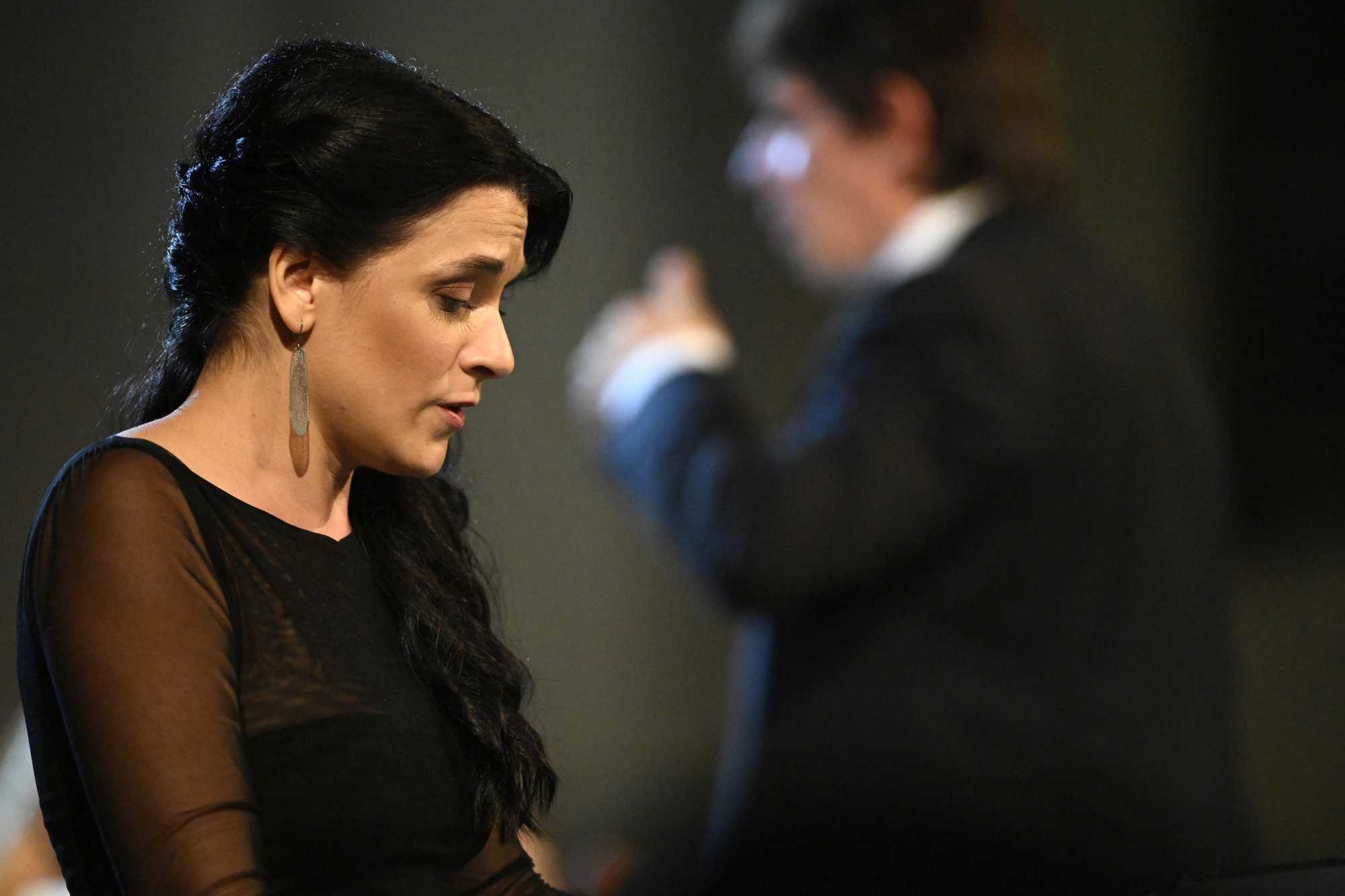
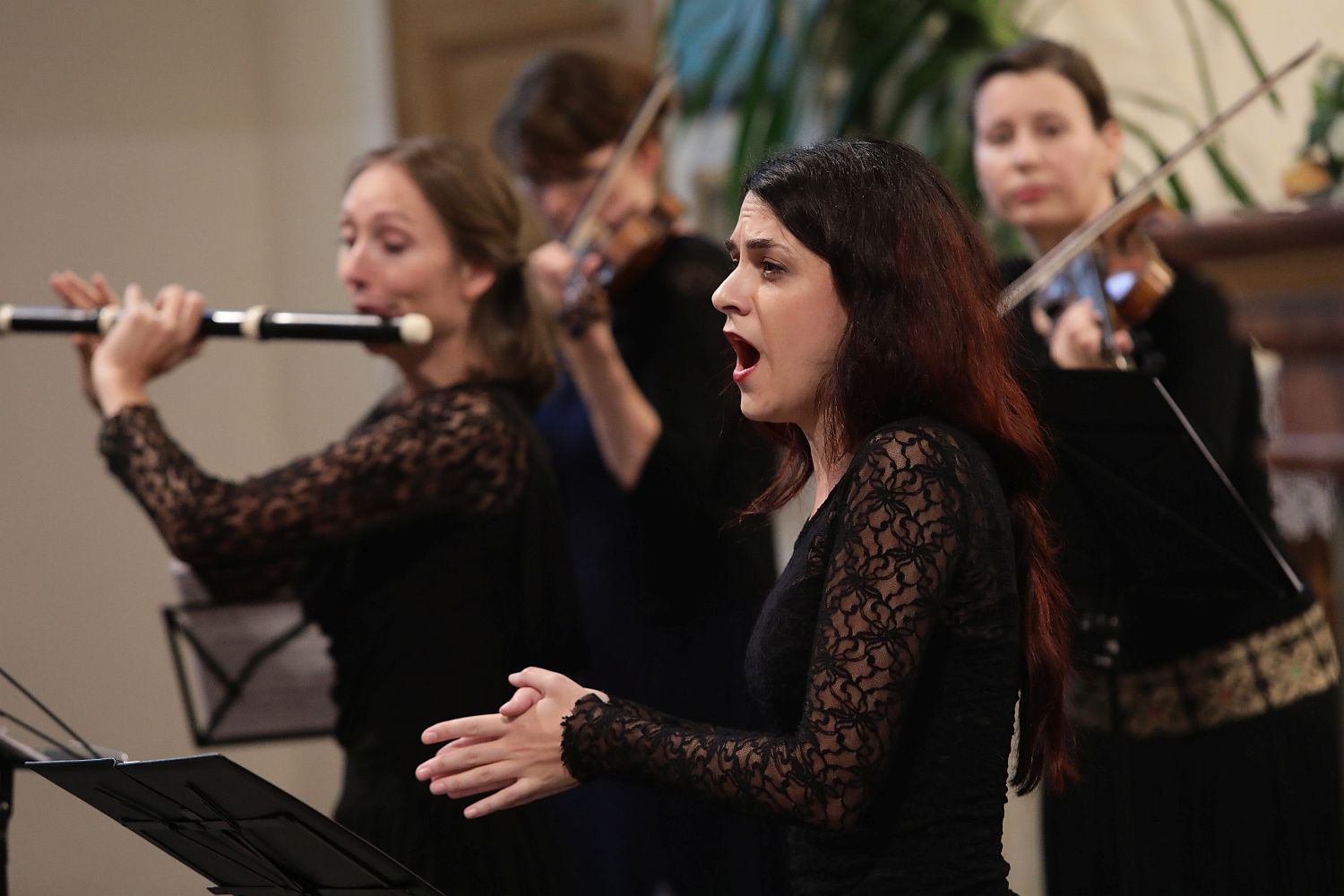
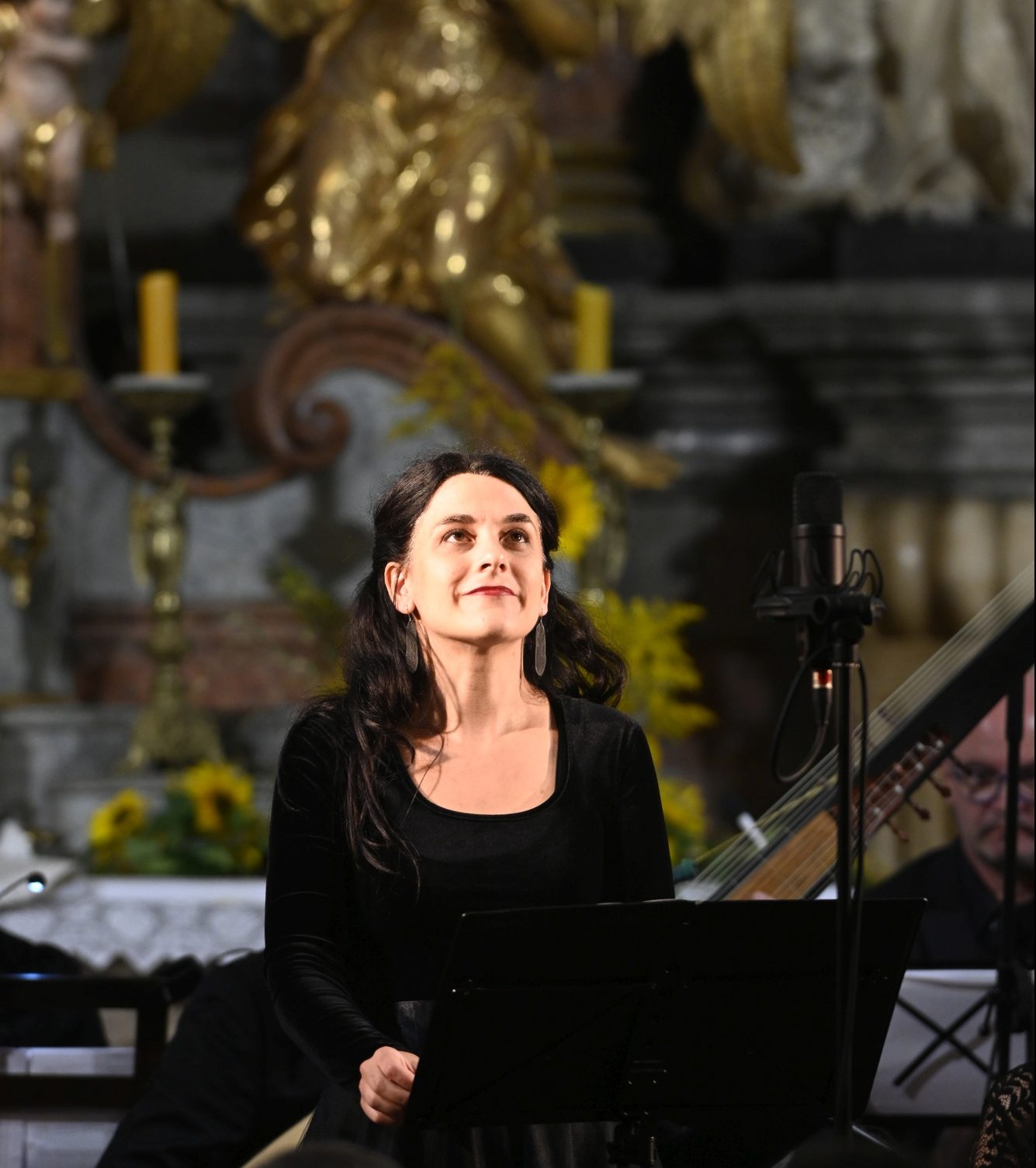
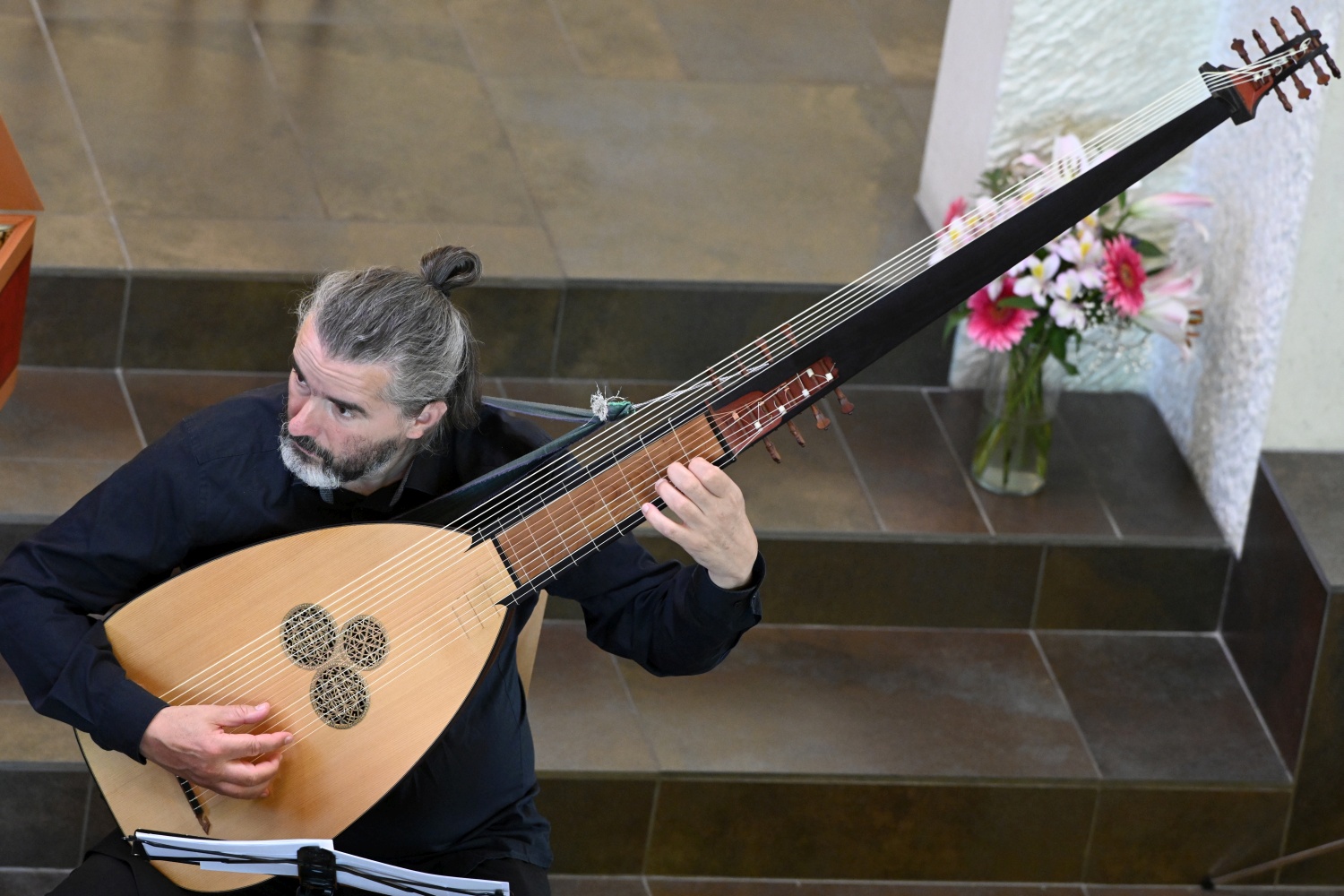
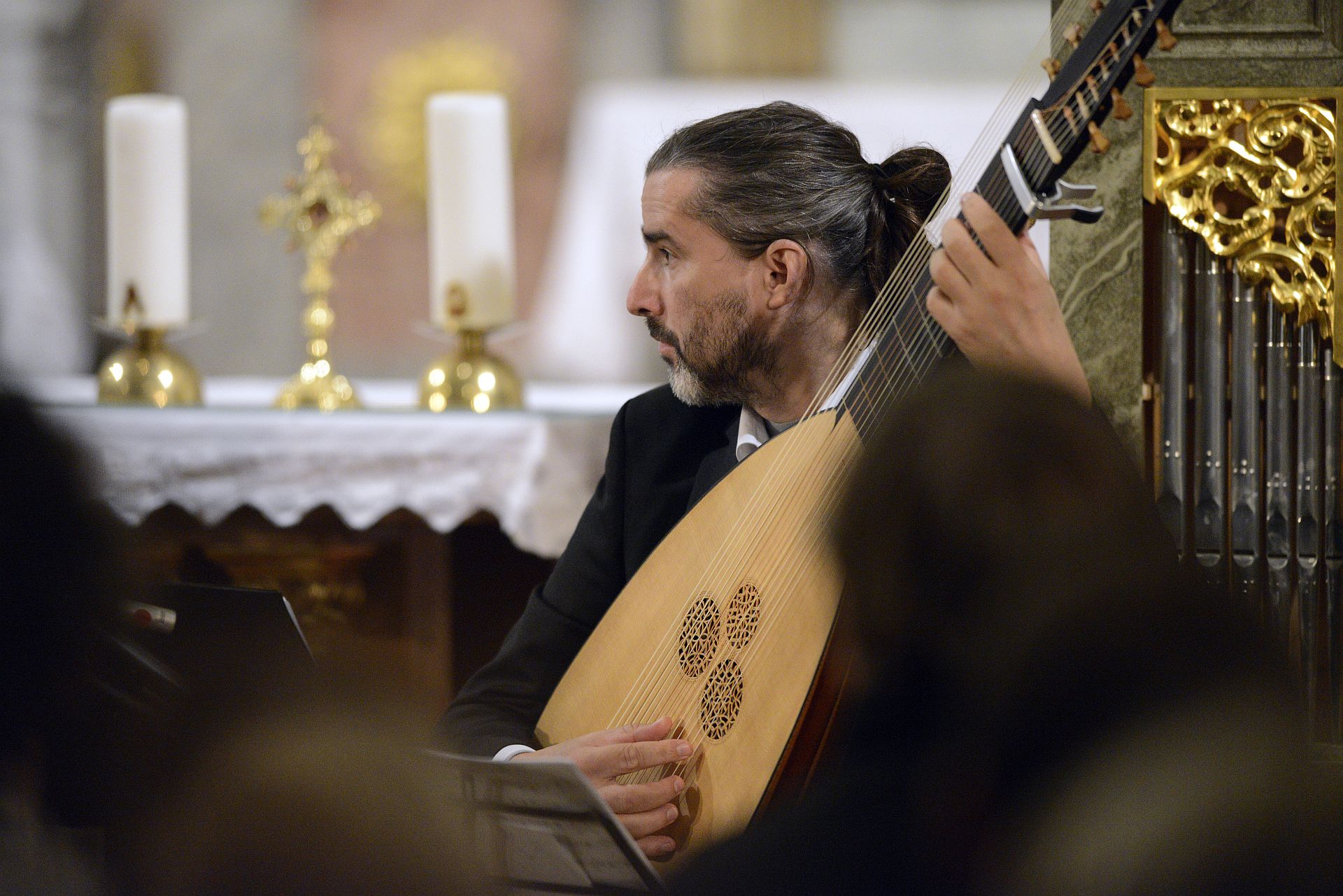
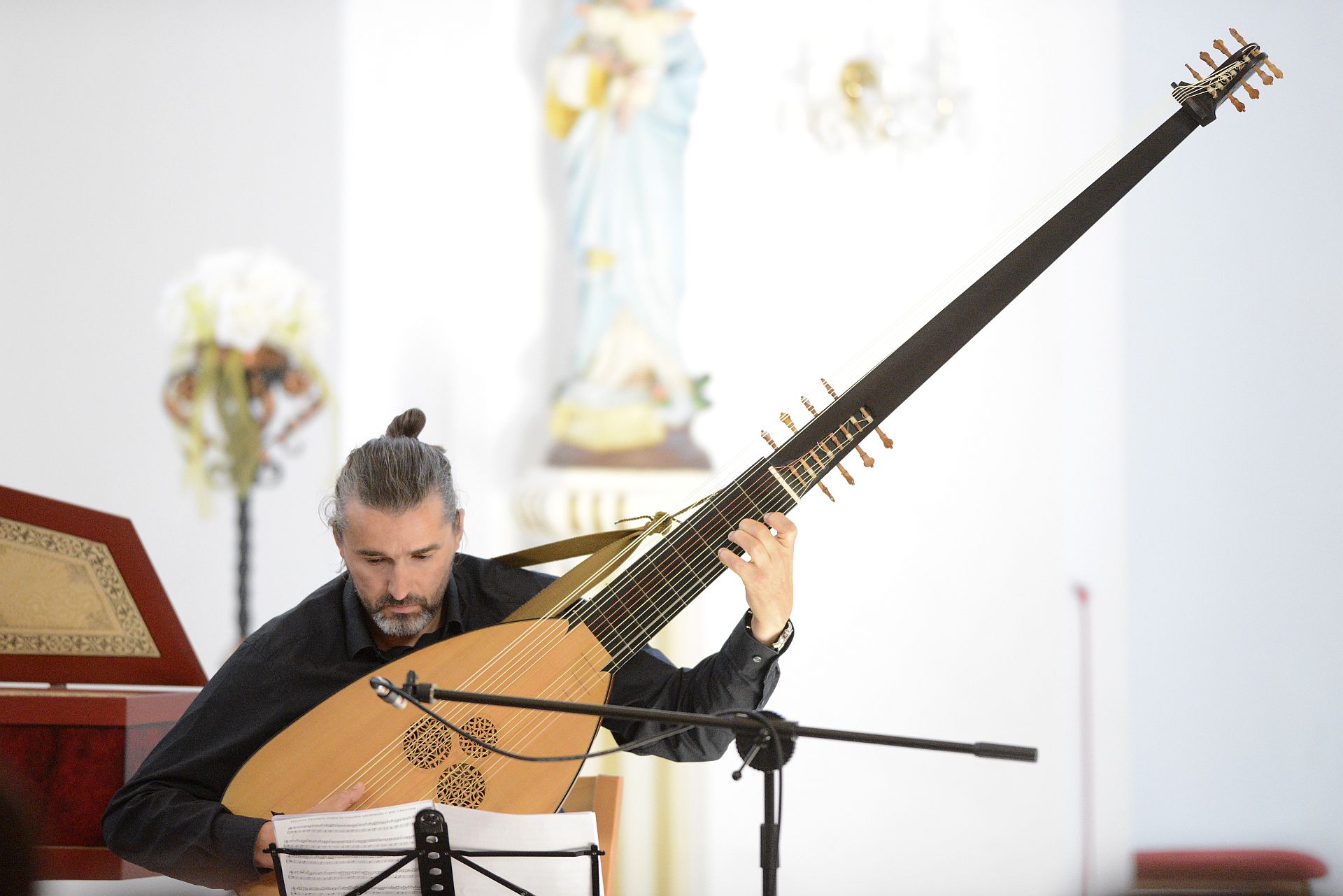
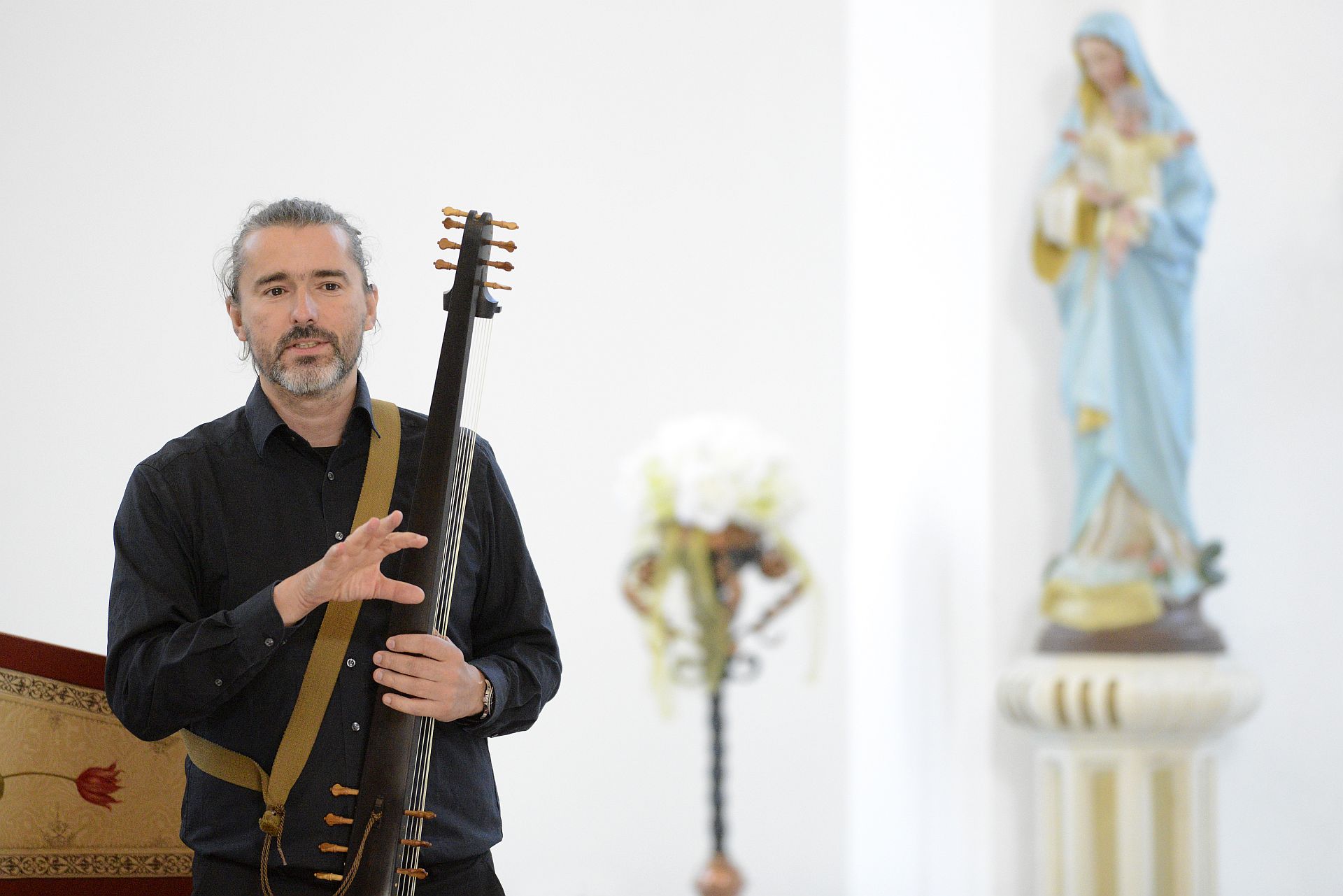
The program Sentirete una canzonetta opens for listeners the intimate world of 17th-century Italy—a time when music freed itself from strict polyphony and began to tell human stories with unprecedented emotional depth. Soprano Hana Blažíková and theorbo player Jan Krejča journey to the very roots of the Baroque style, where every word carries weight and every ornament has its meaning.
In songs and instrumental works by Kapsperger, Monteverdi, Strozzi, Ferrari, and Merula, passion, melancholy, playfulness, and spiritual contemplation intertwine—here, music is not decoration but the language of the heart. With her crystal-clear vocal line, Blažíková captures the subtle nuances of the text, from quiet supplication to dramatic gesture, while Krejča’s theorbo creates a space in which melodies can unfold and breathe naturally.
Within the setting of Kunín Castle, this concert becomes an intimate encounter with music that needs neither large forces nor effects: a voice, strings, and truthful expression are enough. This performance is a return to music as a personal statement—an art that touches both human fragility and inner strength.
Photogallery
+5 photo galleries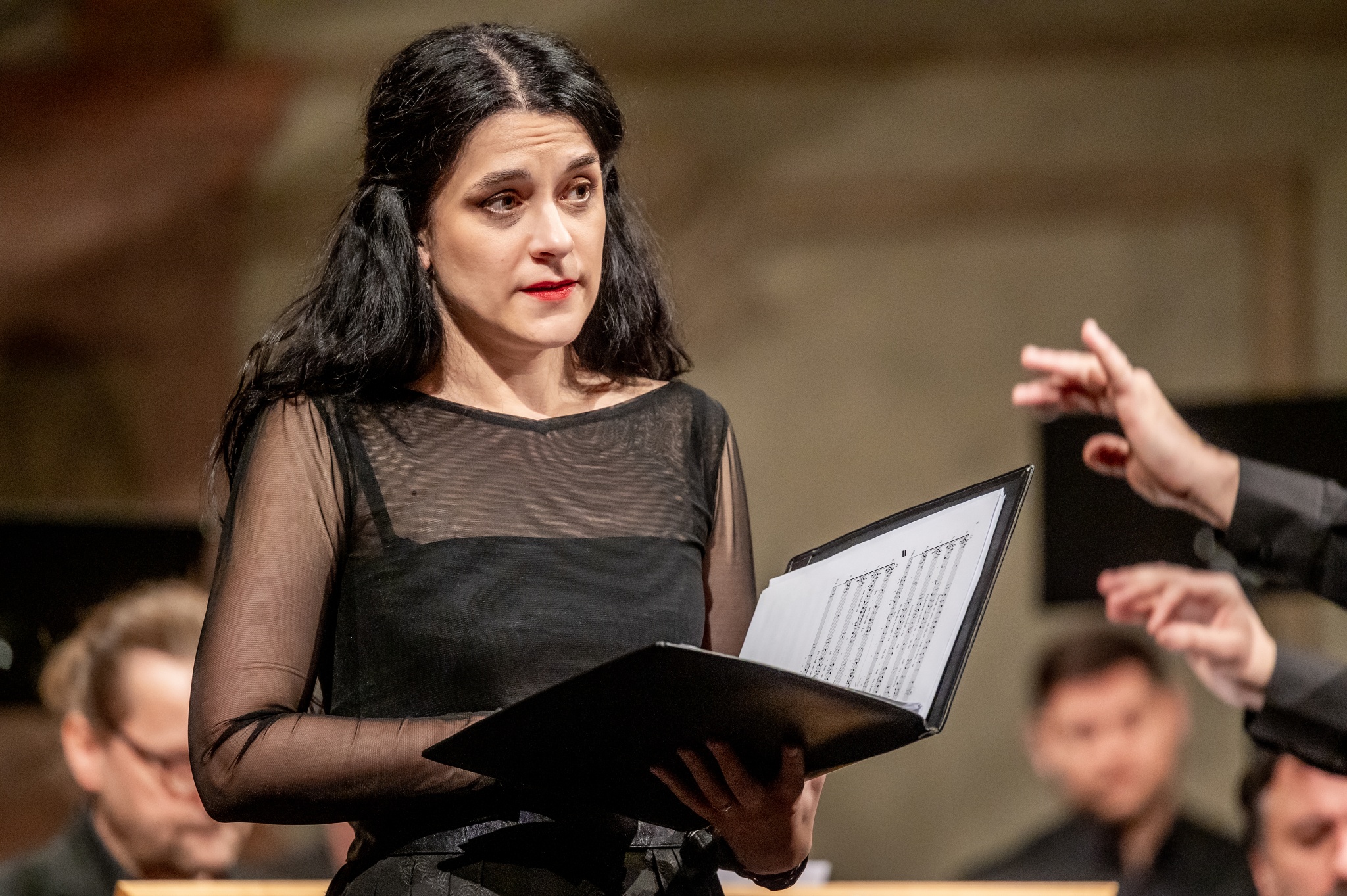
You may be interested
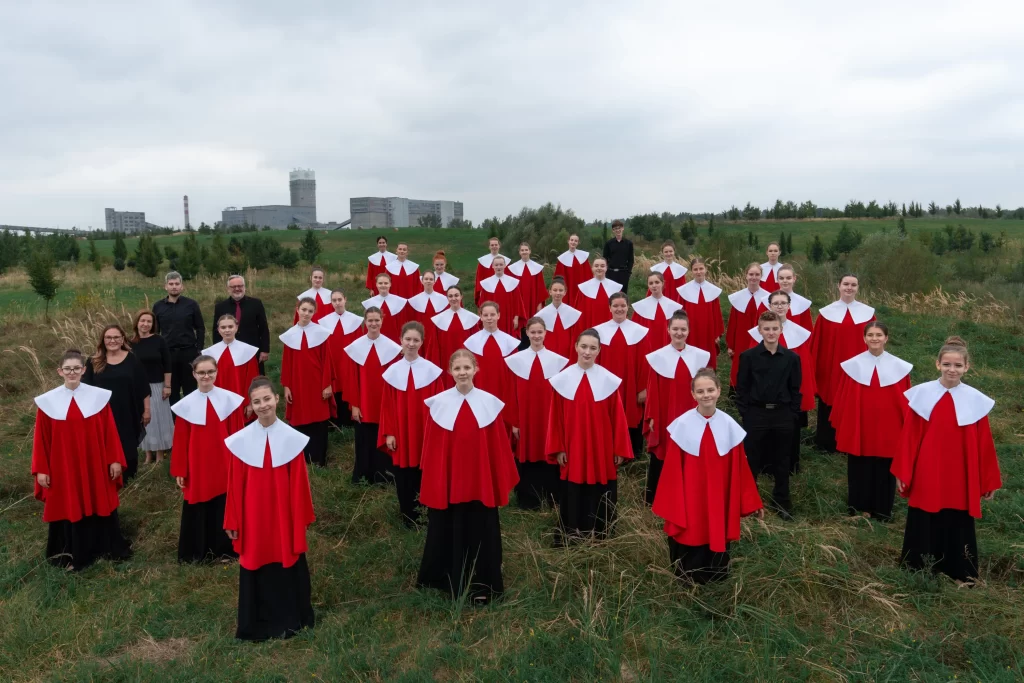
Church of the Nativity of the Virgin Mary 5:00 pm

The Church of St. Valentine 6:00 pm
Church of St. George 5:00 pm

Frýdek Castle
Knight’s Hall 7:00 pm

Tatra Truck Museum 6:00 pm

Vila Grossmann 7:00 pm
Grand Hall of castle Kunín 6:00 pm

Frýdek Castle
Knight’s Hall 7:00 pm
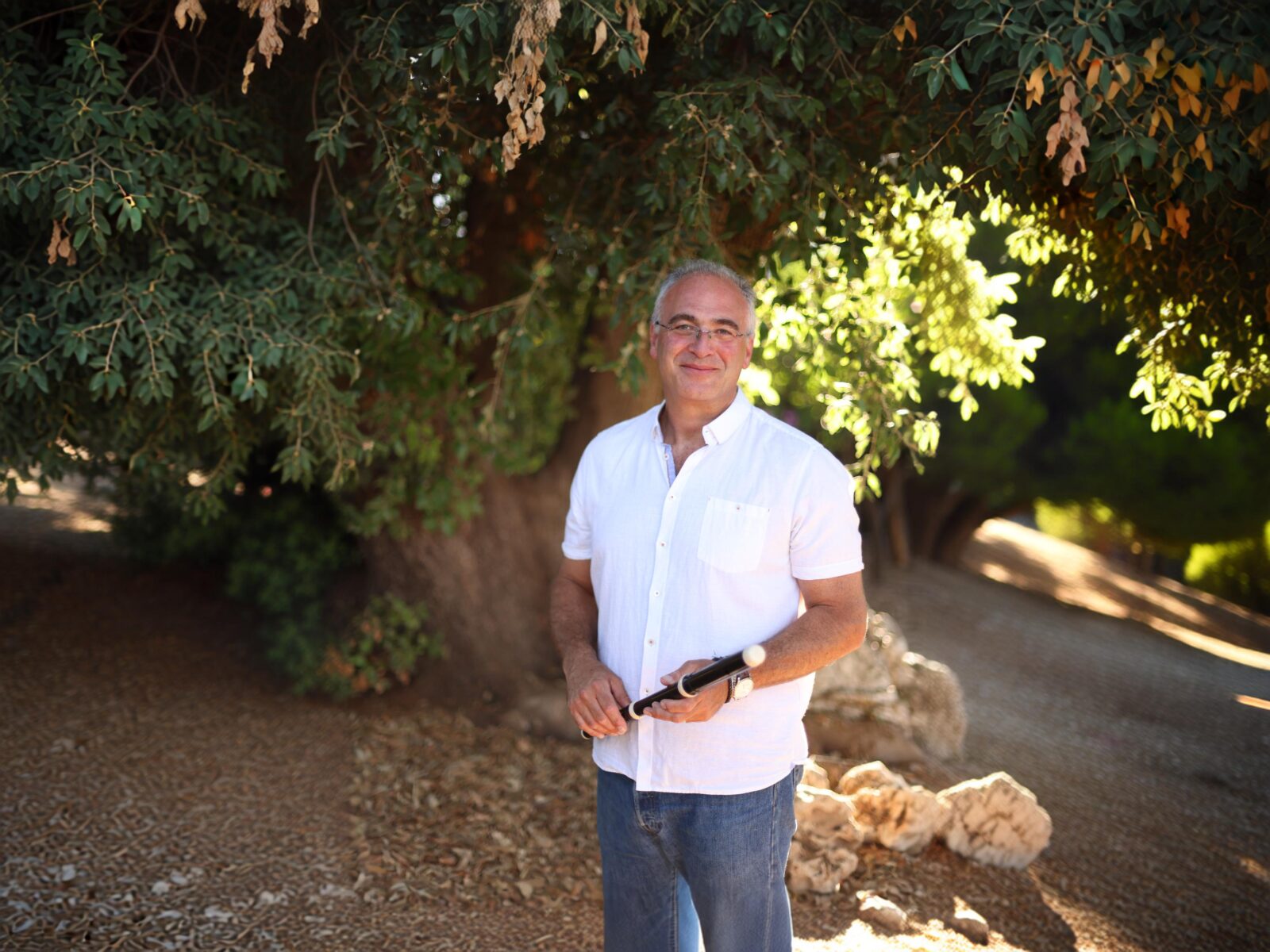
Silesian Ostrava Town Hall 6:00 pm

John Hus Church 6:00 pm
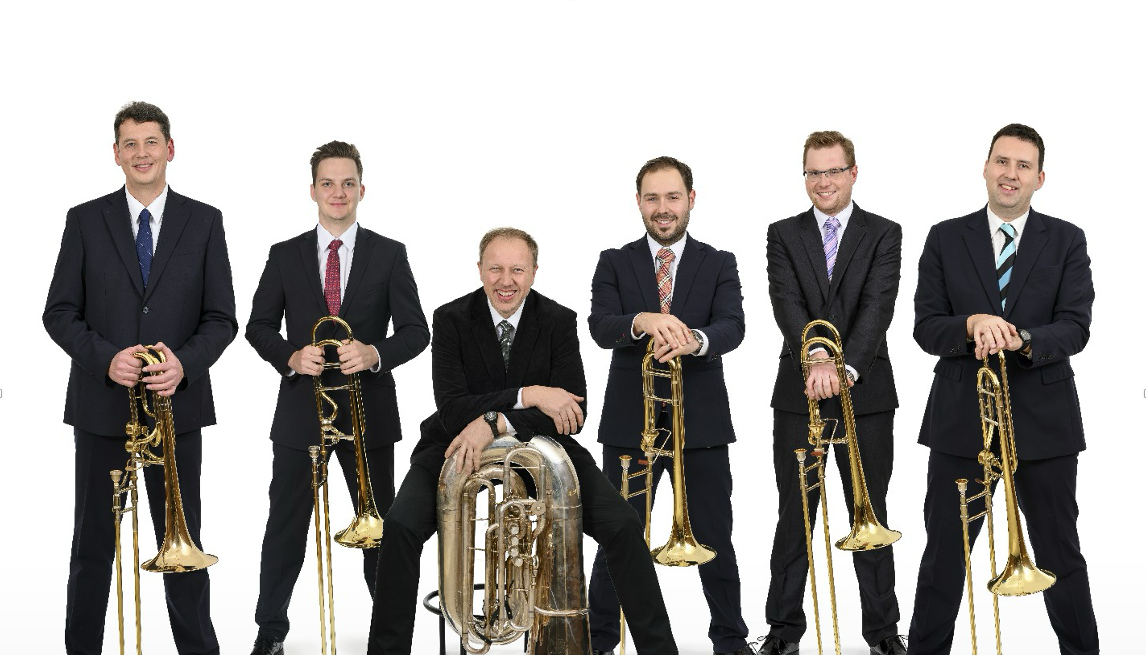
Oratory of the Brethren Church 6:00 pm
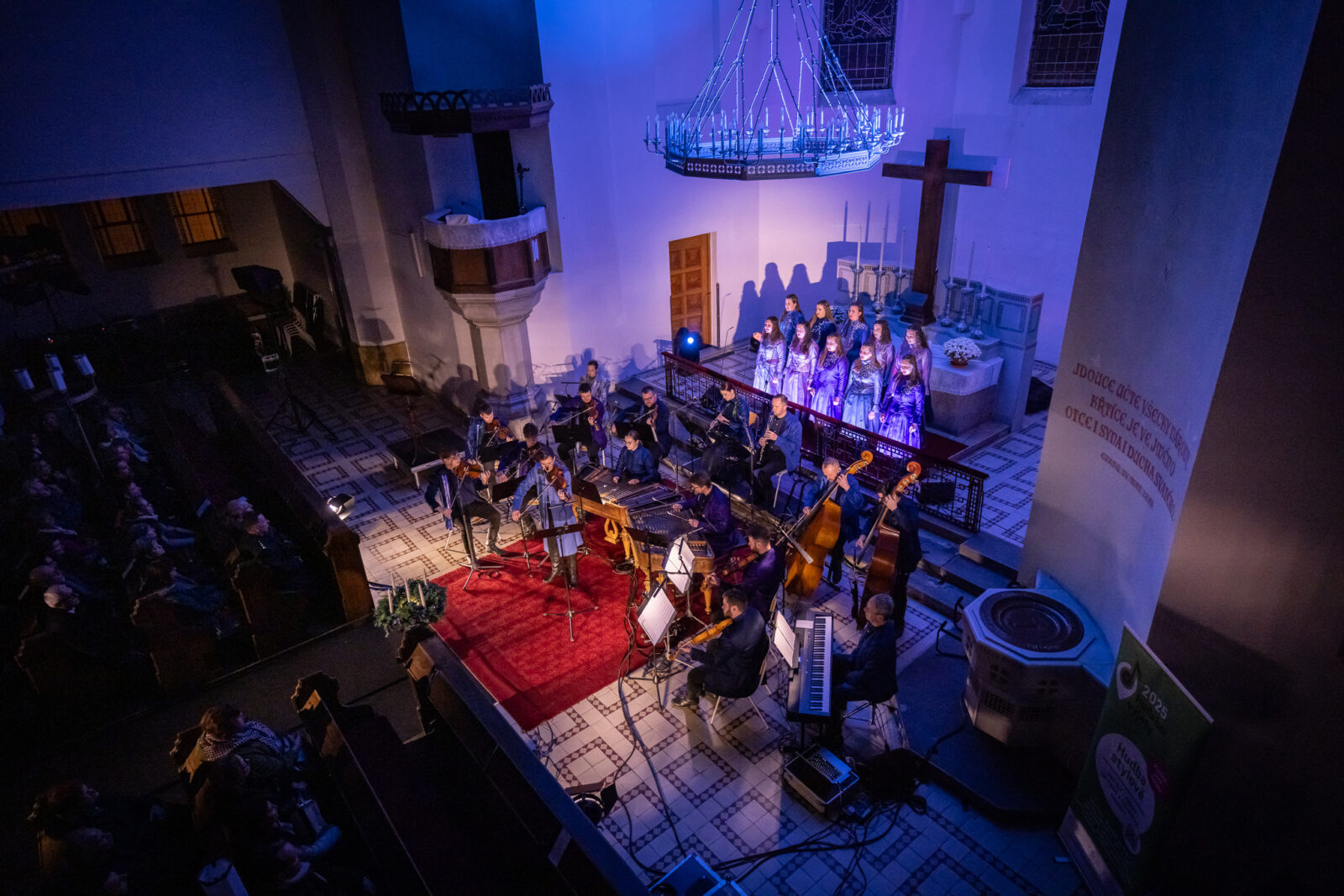
St. Wenceslas Church 6:00 pm
Partners of project