BLAŽÍKOVÁ & KREJČA: EARLY ITALIAN BAROQUE KAPSPERGER / MONTEVERDI / STROZZI / FERRARI
Date
Saturday 6. 6. 2026 from 7:00 pmTicket price
Concert partner

BLAŽÍKOVÁ & KREJČA: EARLY ITALIAN BAROQUE KAPSPERGER / MONTEVERDI / STROZZI / FERRARI
Programme
„Sentirete una canzonetta“
Tarquinio Merula (1595–1665): Sentirete una Canzonetta
Giovanni Girolamo Kapsperger (1580–1651): Occhi soli d’Amore
Giovanni Girolamo Kapsperger: Toccata
Giovanni Girolamo Kapsperger: Ite sospiri miei
Giovanni Girolamo Kapsperger: Che faró, donna ingrata
Giovanni Girolamo Kapsperger: Rigida Eurilla
Giovanni Girolamo Kapsperger: Canzone prima
Giovanni Girolamo Kapsperger: Quando prendo
Barbara Strozzi (1619–1677): Amor dormiglione
Giovanni Girolamo Kapsperger: Toccata
Barbara Strozzi: L’Amante segreto
—— intermission ——
Barbara Strozzi: Moralità amorosa
Giovanni Girolamo Kapsperger: Toccata, Passacaglia, Toccata
Giovanni Girolamo Kapsperger: Tuche pallido essangue
Claudio Monteverdi (1567–1643): Signor qual infelice
Giovanni Girolamo Kapsperger: Battaglia
Benedetto Ferrari (1603–1681): Lingua di Donna
Benedetto Ferrari: Occhi miei che vedeste
Giovanni Girolamo Kapsperger: Uscita, Ballo, Gagliarda, Corrente
Giovanni Girolamo Kapsperger: In te la vita
Giovanni Girolamo Kapsperger: Rugiadose
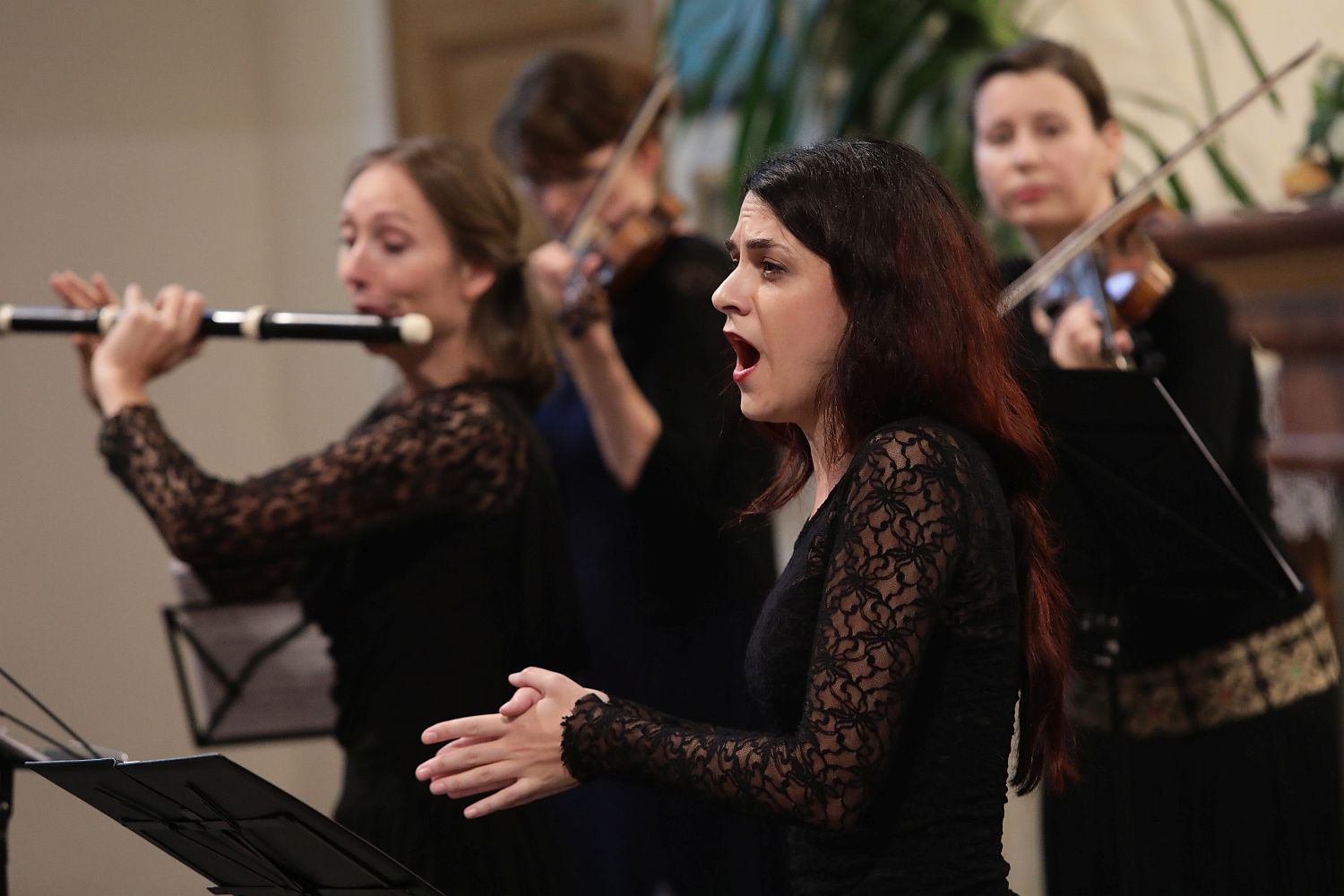
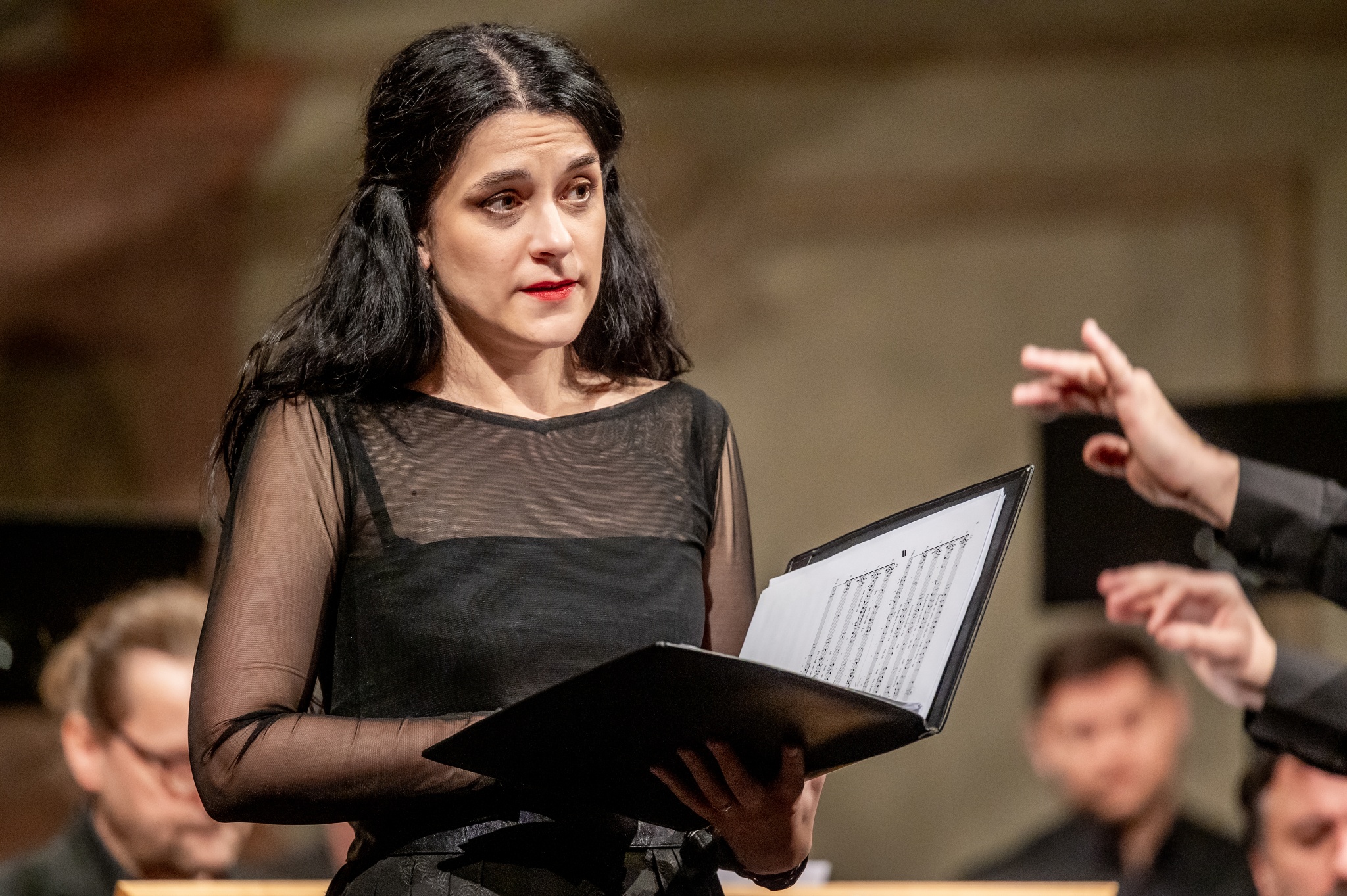
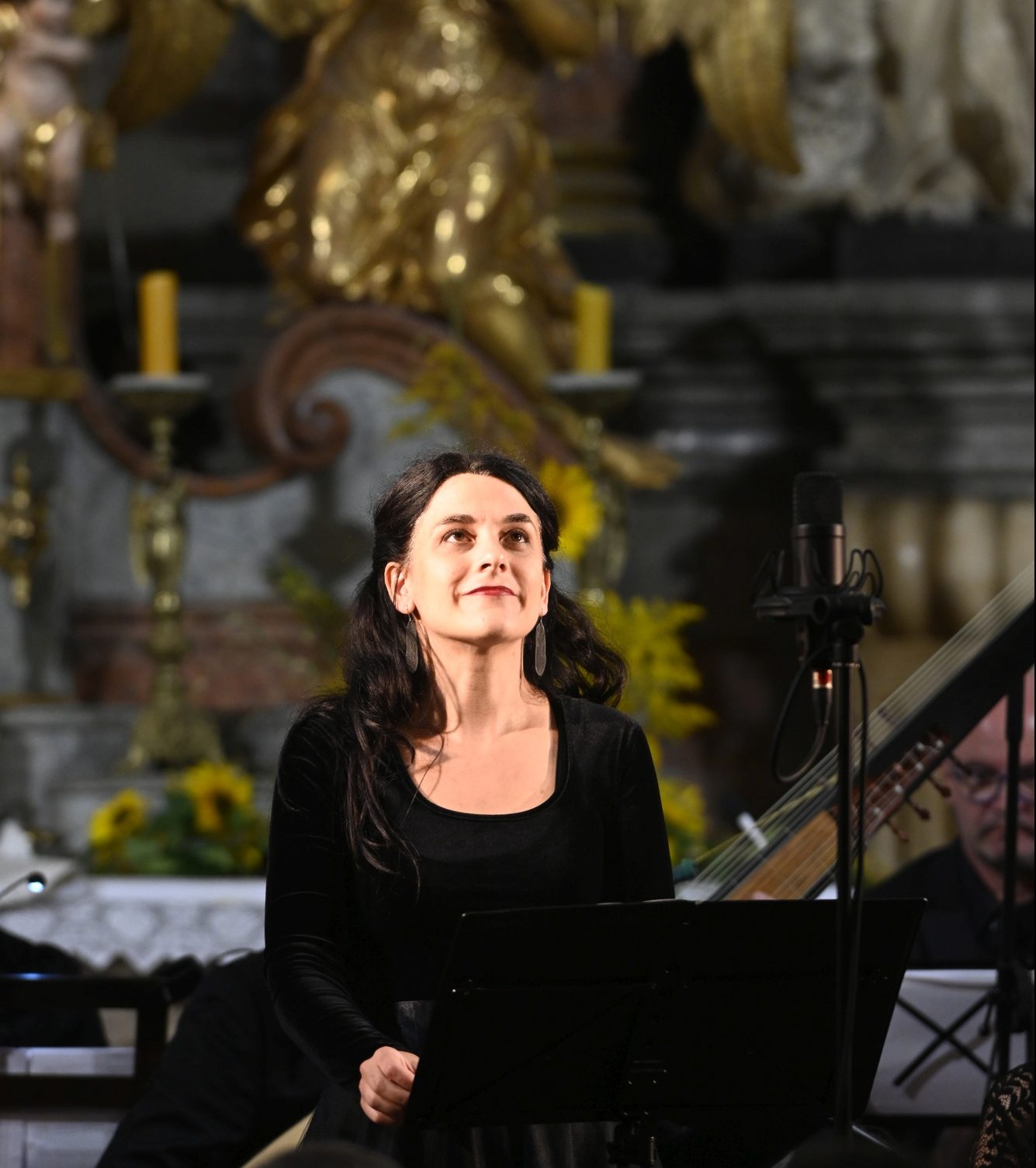
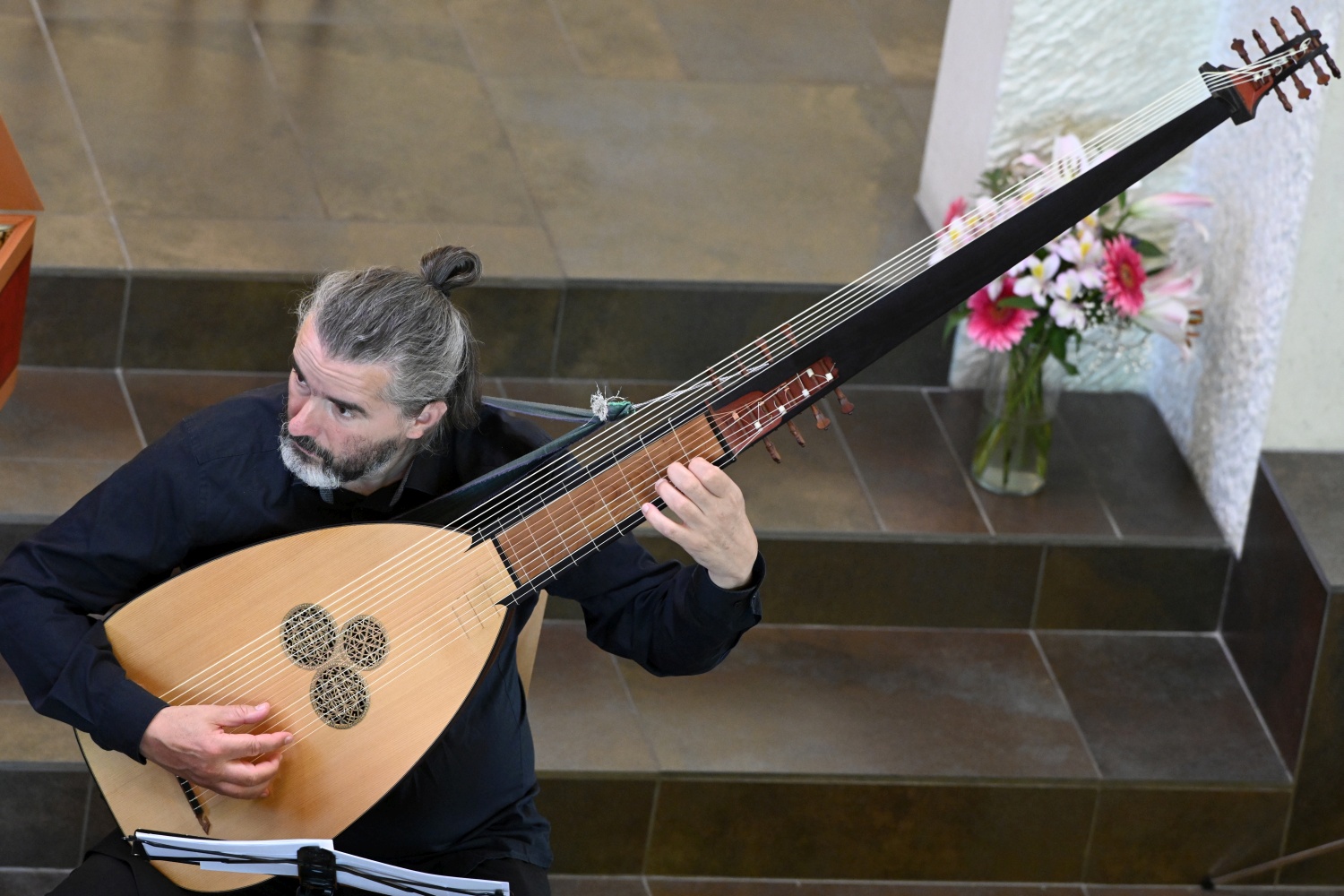
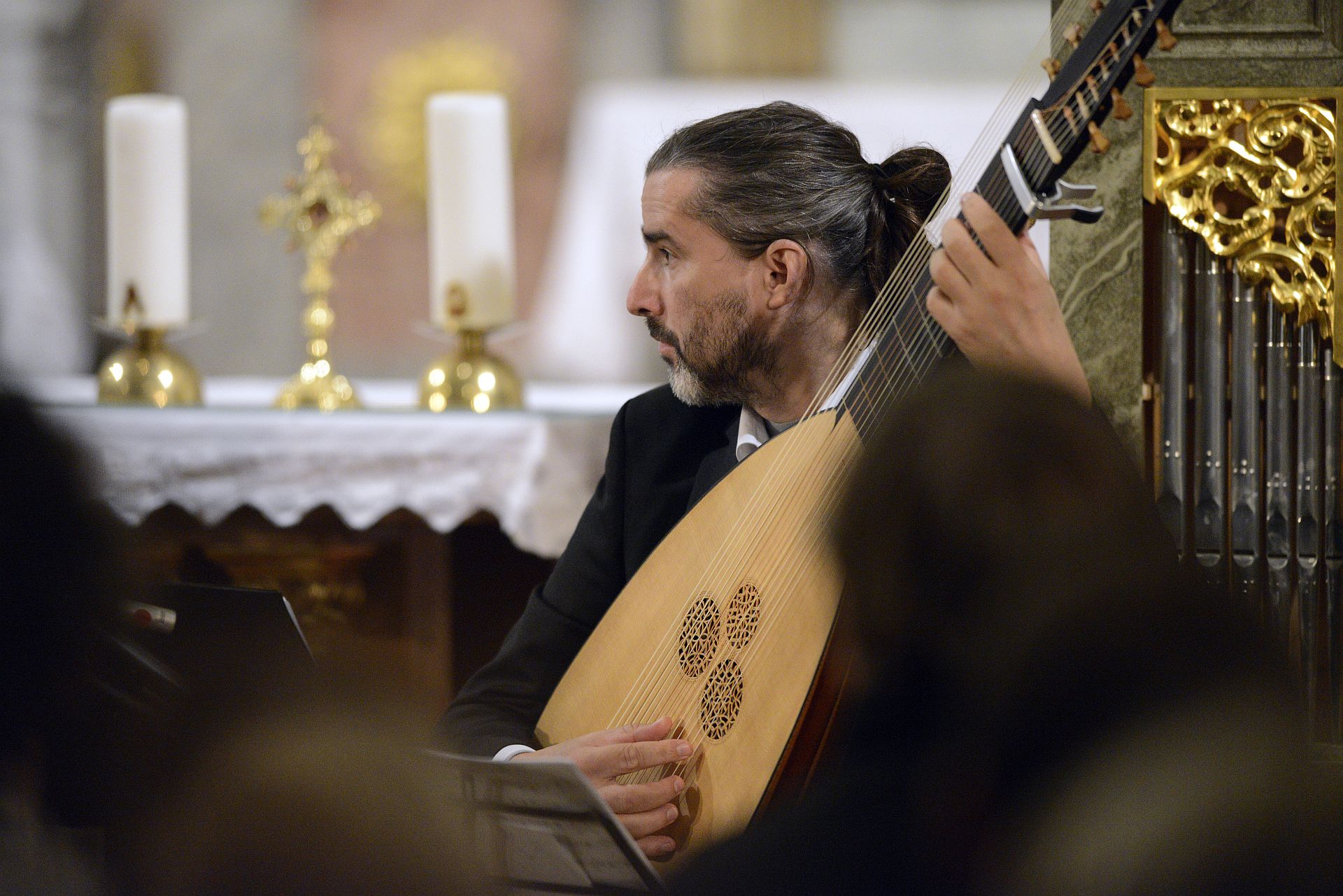
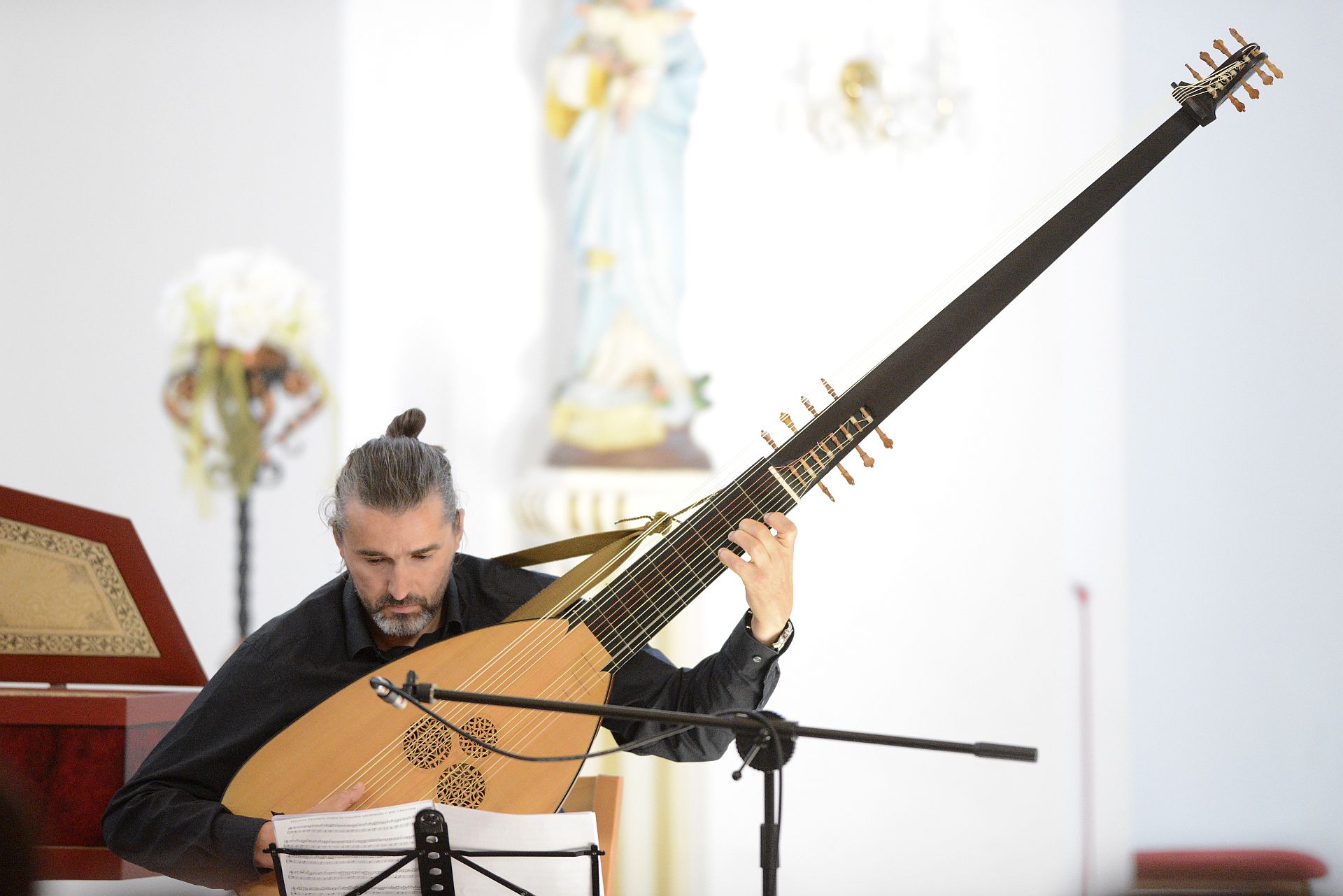
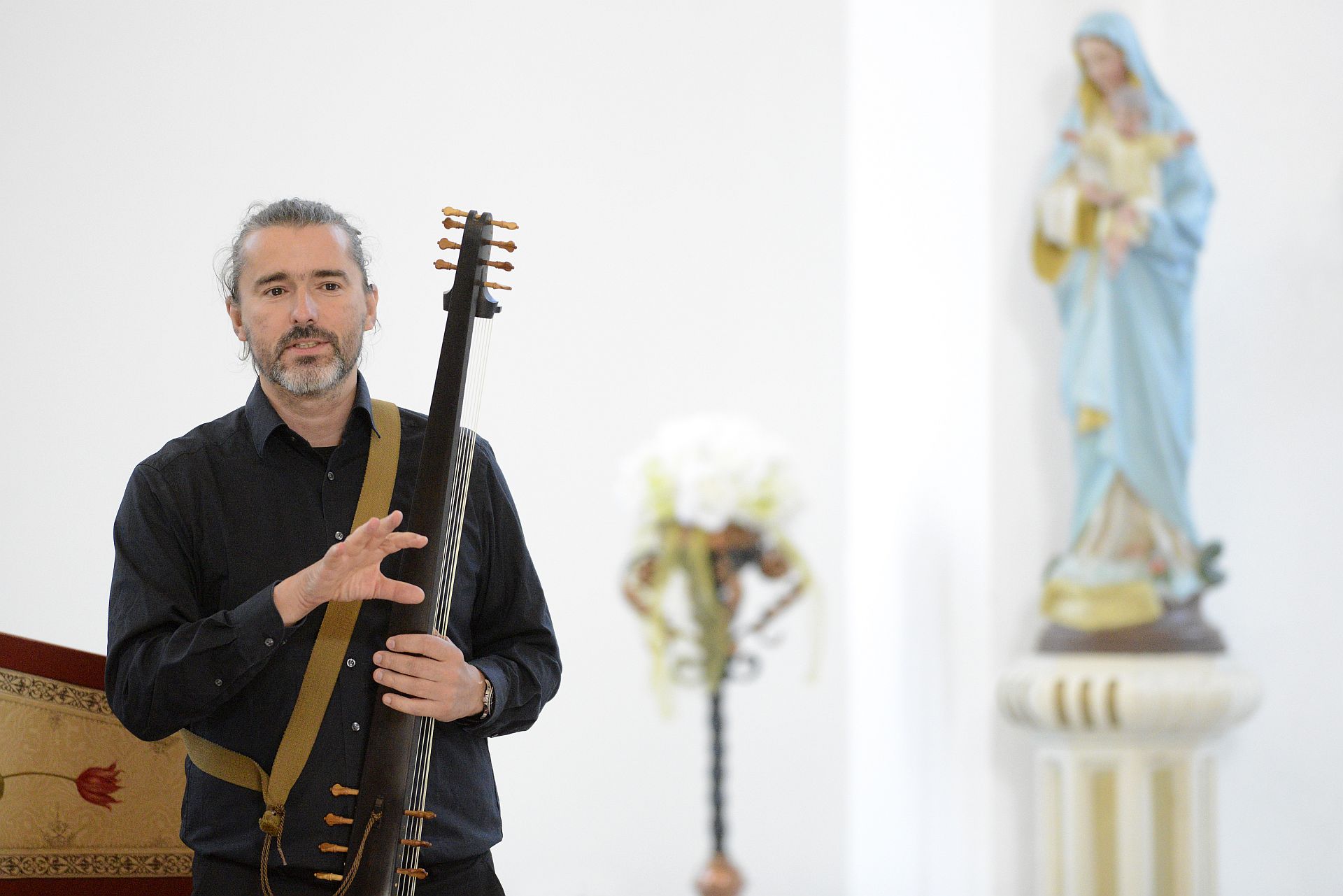
The programme Sentirete una canzonetta opens an intimate world of early Italian Baroque—a time when music freed itself from strict polyphony and began to tell human stories with unprecedented urgency. The meeting of two outstanding performers, soprano Hana Blažíková and theorbo player Jan Krejča, presents this repertoire in its purest and most natural form. Blažíková is among the most respected figures on the European early music scene: she collaborates with leading ensembles and conductors, appears at major festivals, and is admired for the clarity of her tone, the intelligibility of the text, and her profound understanding of style. Krejča is a highly sought-after specialist in early Baroque continuo practice; his sensitive and richly coloured theorbo playing creates a firm yet naturally breathing space for the voice. In songs and instrumental works by Kapsperger, Monteverdi, Strozzi, Ferrari, and Merula, passion, melancholy, playfulness, and spiritual reflection alternate—here, music is not an effect, but a deeply personal statement.
Photogallery
+6 photo galleries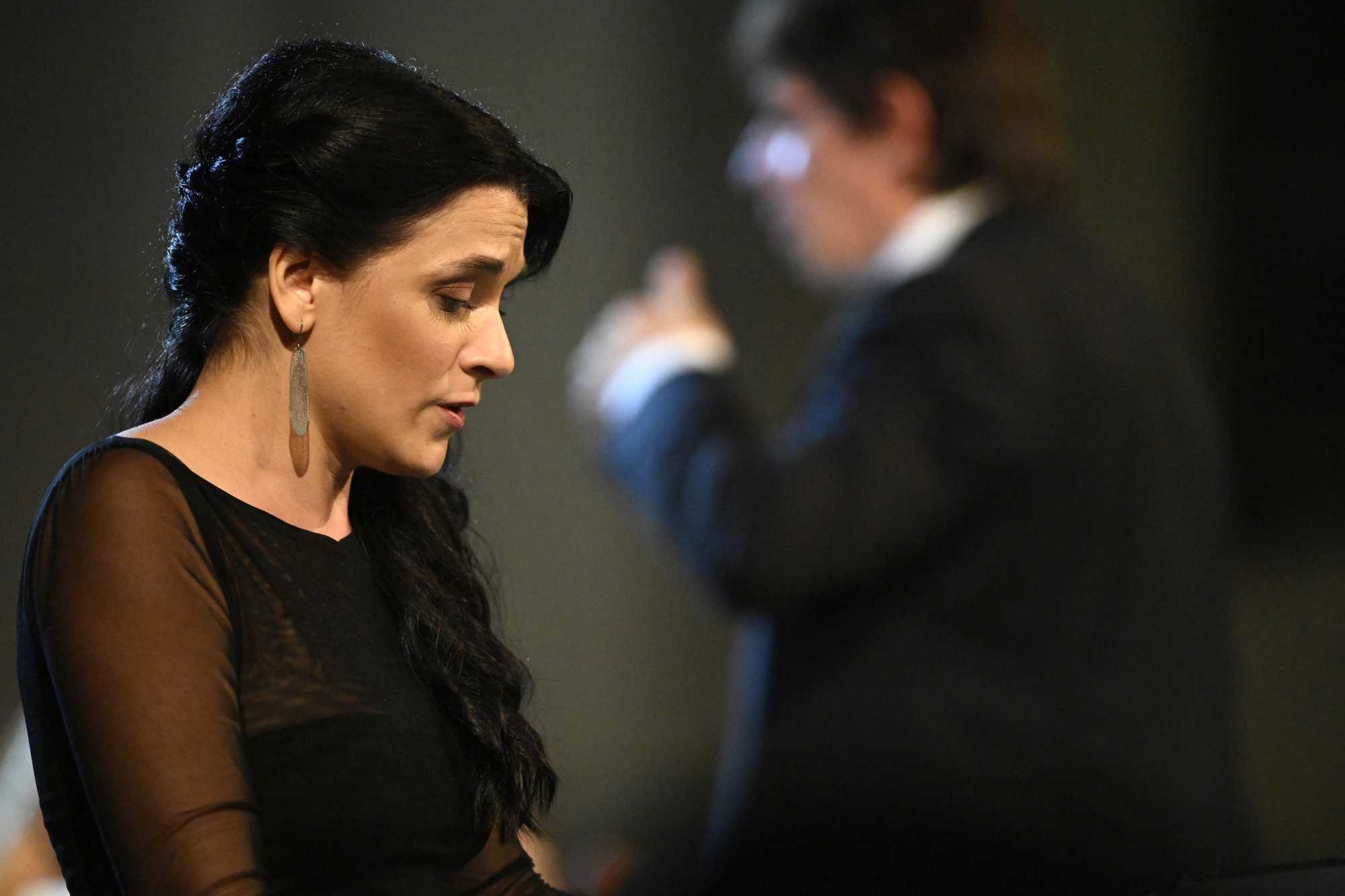

You may be interested
Church of the Nativity of the Virgin Mary 5:00 pm

The Church of St. Valentine 6:00 pm
Church of St. George 5:00 pm

Frýdek Castle
Knight’s Hall 7:00 pm

Tatra Truck Museum 6:00 pm

Vila Grossmann 7:00 pm
Grand Hall of castle Kunín 6:00 pm

Frýdek Castle
Knight’s Hall 7:00 pm
Silesian Ostrava Town Hall 6:00 pm

John Hus Church 6:00 pm
Oratory of the Brethren Church 6:00 pm
St. Wenceslas Church 6:00 pm
Partners of project