LEVKOVÁ & FRANTIŠÁK & KOZÁK: SOUL OF BAROQUE BACH / HÄNDEL / ZELENKA / MICHNA
Date
Saturday 21. 11. 2026 from 6:00 pmTicket price
Concert partner

LEVKOVÁ & FRANTIŠÁK & KOZÁK: SOUL OF BAROQUE BACH / HÄNDEL / ZELENKA / MICHNA
Programme
Giovanni Battista Bononcini (1670–1747): Aria “No, non più guerra” from L’Abdolomino for soprano, chalumeau and continuo
Johann Sebastian Bach (1685–1750): Magnificat: aria „Quia Respexit“, BWV 243
Johann Sebastian Bach (1685–1750): Preludium and fugue G dur, BWV 541
Georg Friedrich Händel (1685–1759): Aria from oratorio Messiah
„How beautiful are the feet“
„Rejoice“
Jan Dismas Zelenka (1679–1745): Aria „Ave Deus“ from St. Wenceslas for soprano, chalumeau and continuo
Georg Friedrich Händel: Sonata in F major for chalumeau and continuo, HWV 363a
Marc Antonio Ziani (1653–1715) / Joseph I. of Habsburg (1678–1711): Aria „Tutto in pianto“ from Chilonida for soprano, chalumeau and continuo
Jan Křtitel Vaňhal (1739–1813): Fugue in C major
Adam Václav Michna (1600–1676): The Czech Lute (selection)
Introduction. Kdo by tě chváliti žádal.
Svádební Věneček. Posypte mne s Kvítkami s Ruží a s Lilium.
Den Svádební. Začněté Panný spívati.
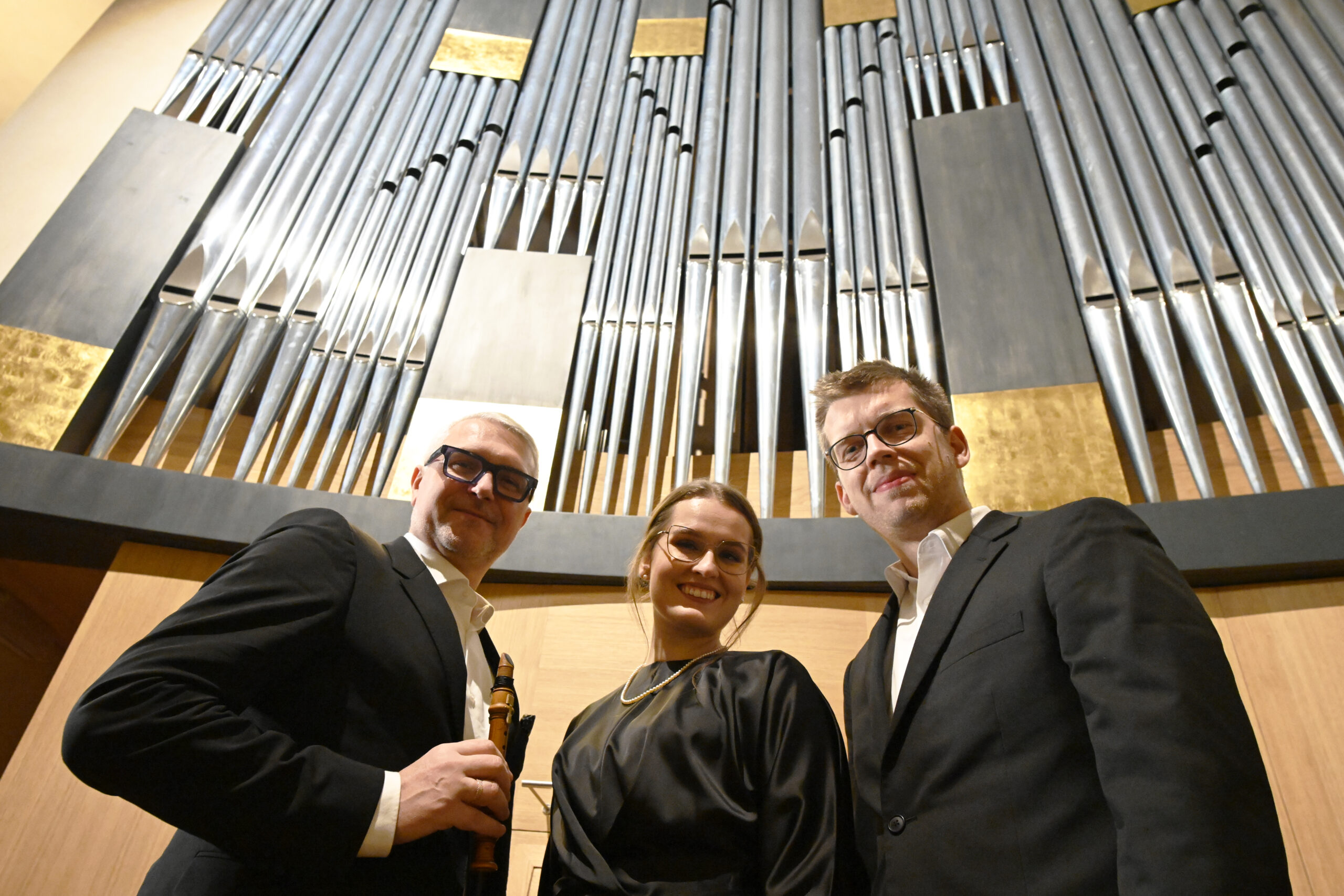
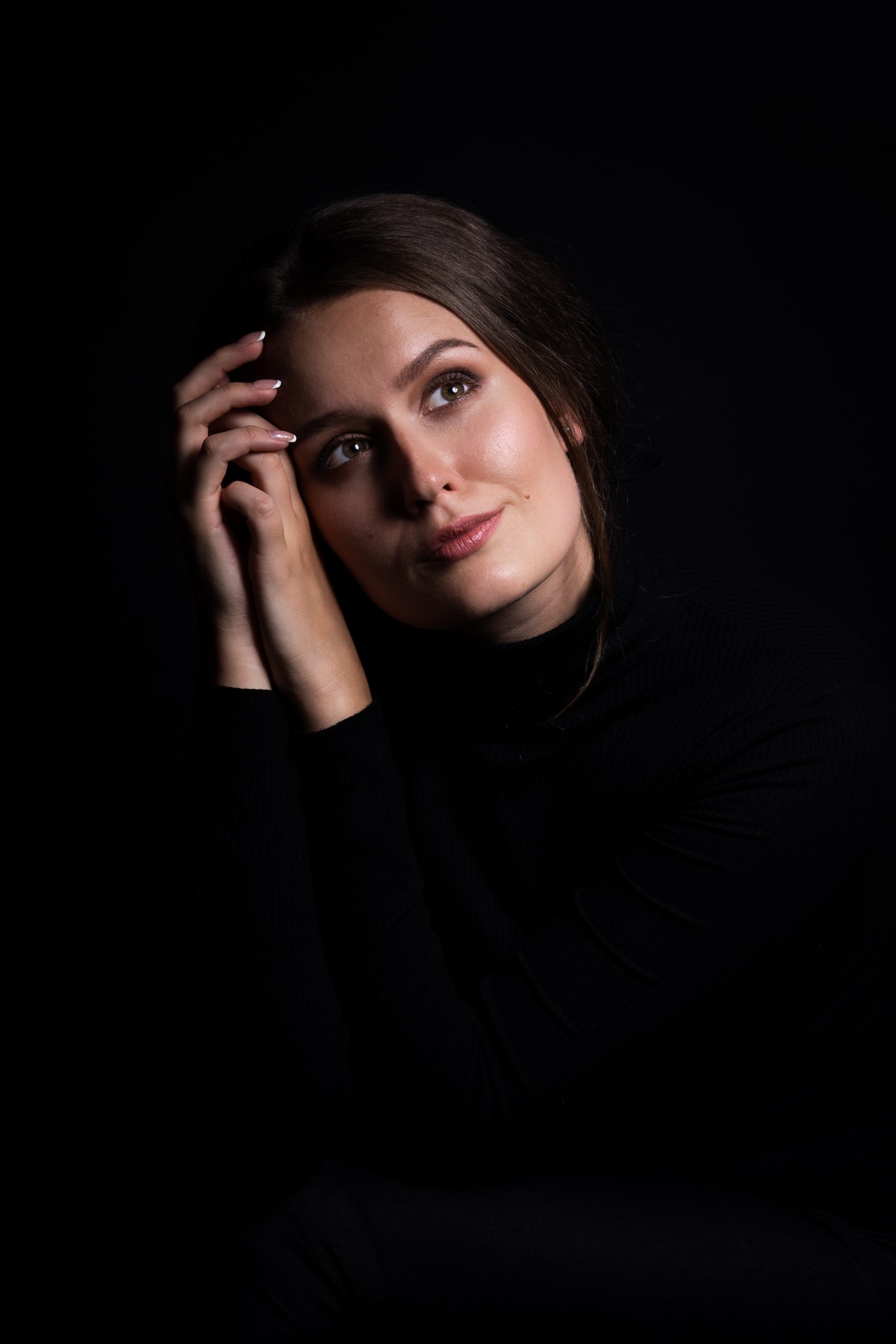
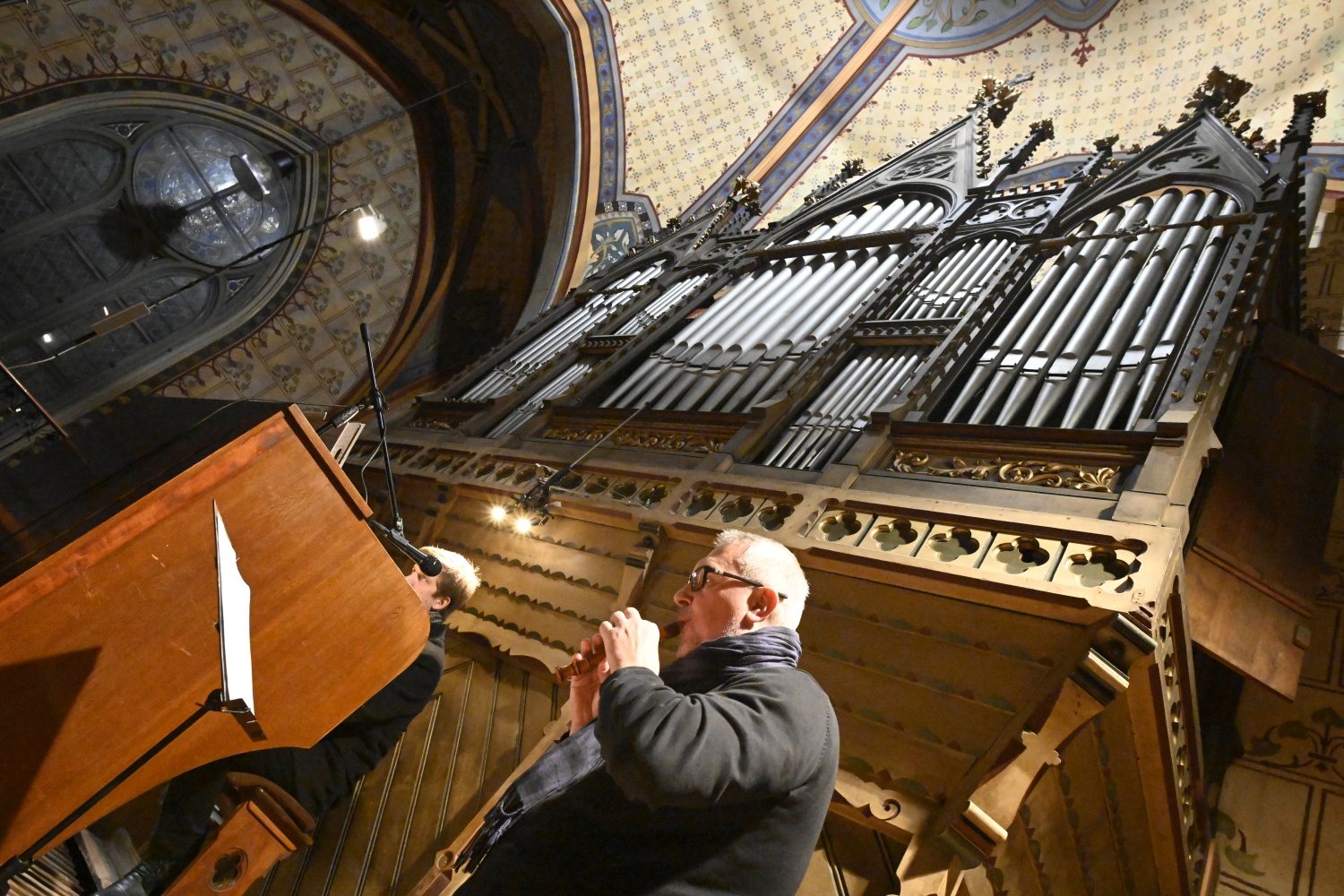
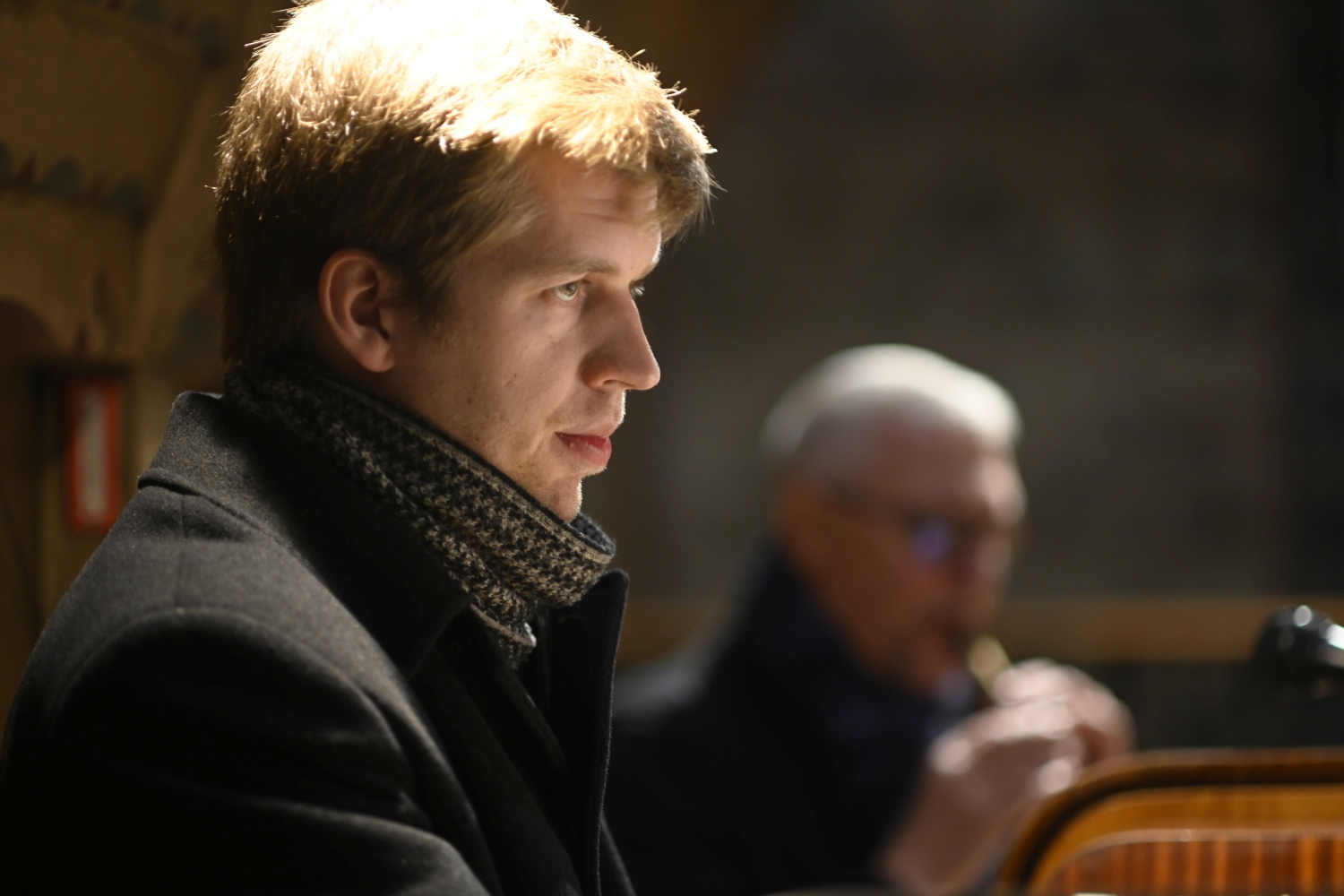
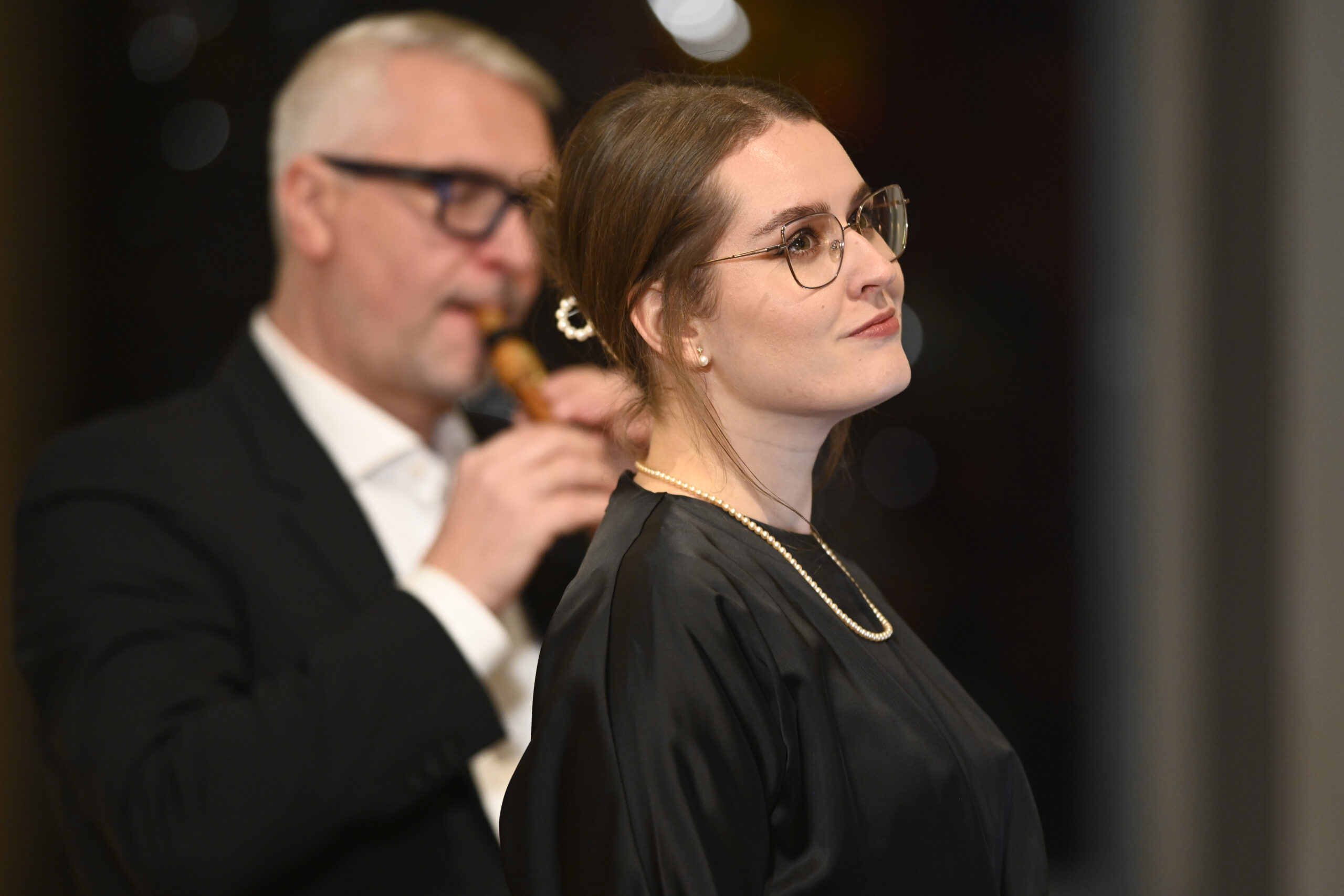
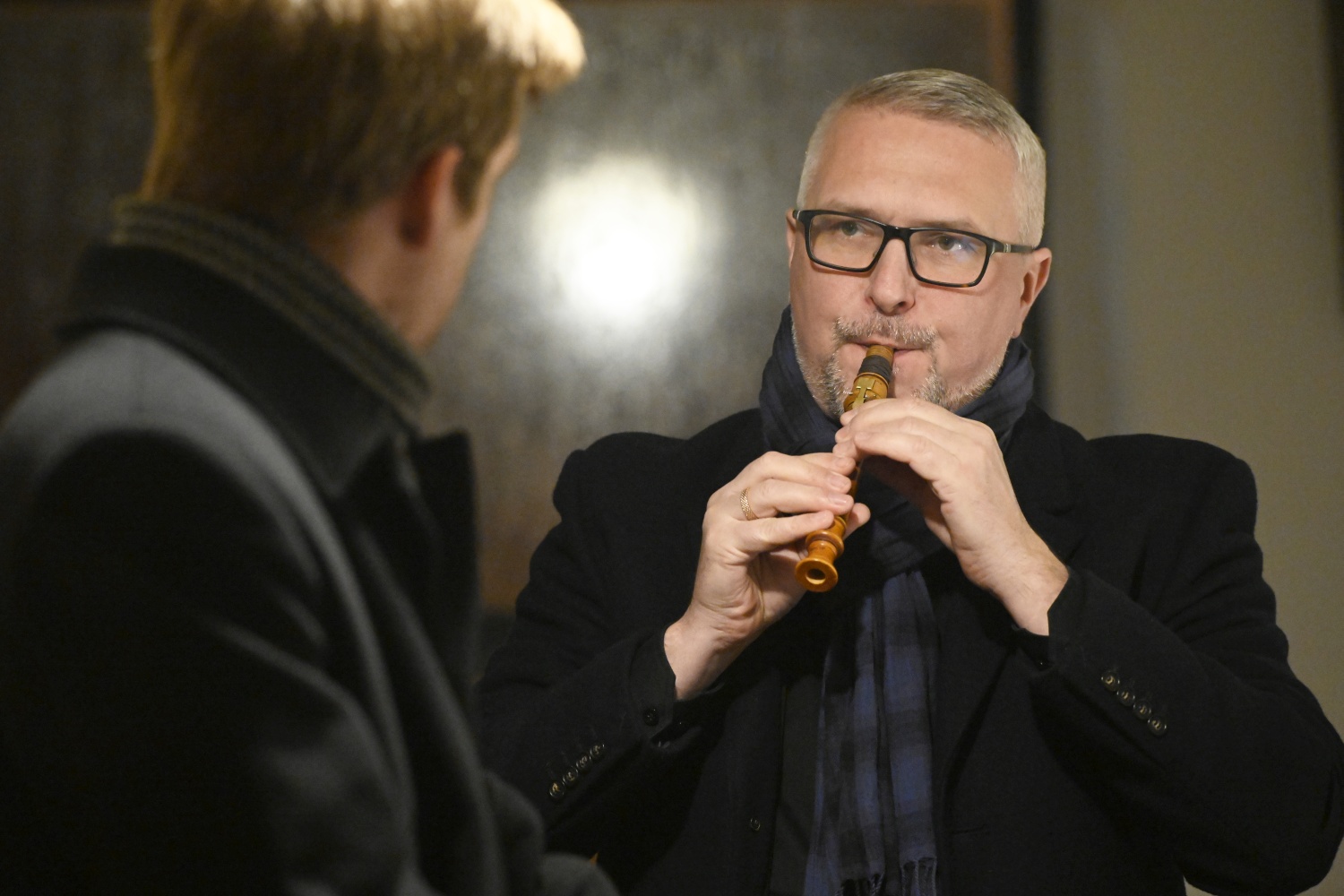
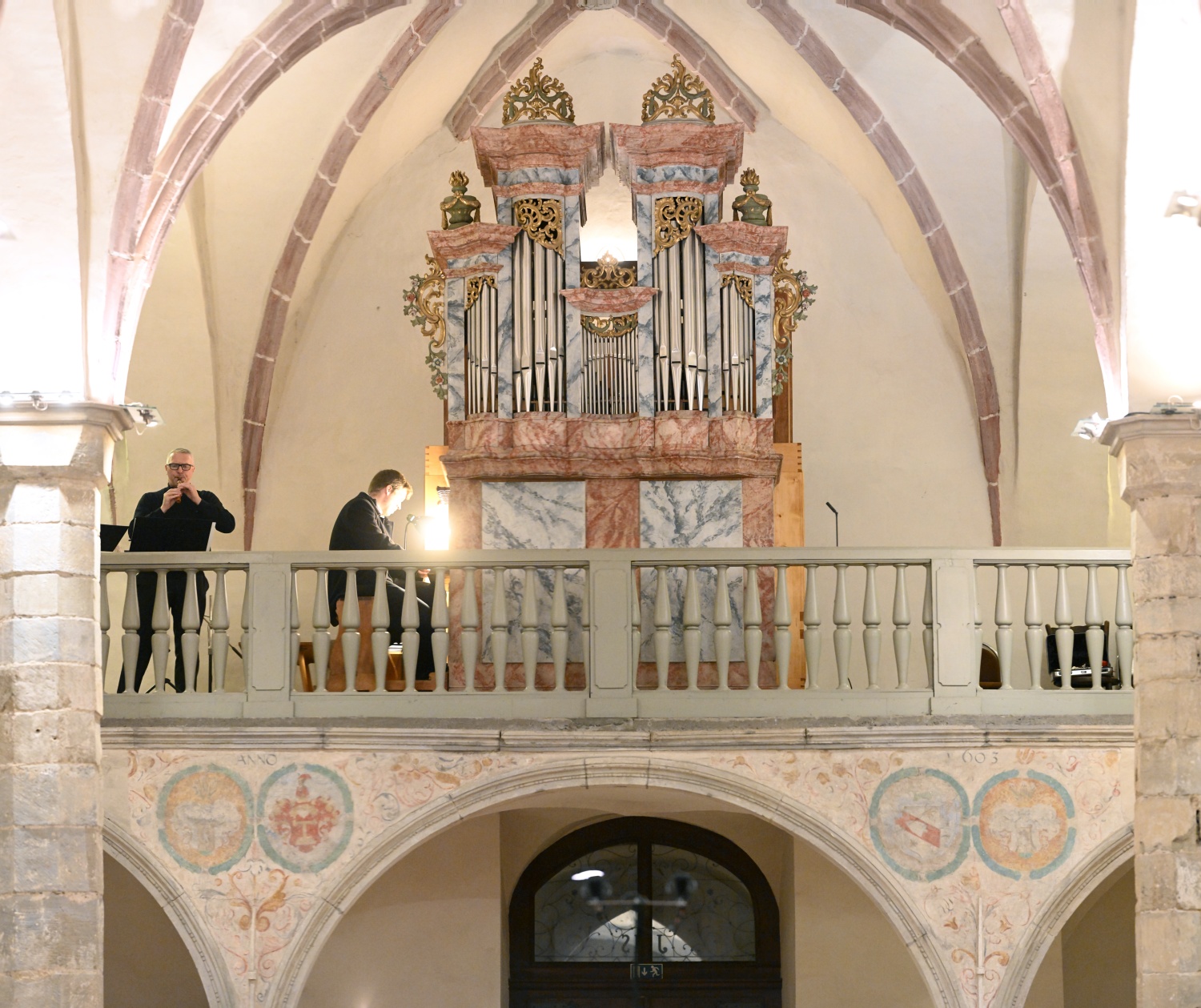
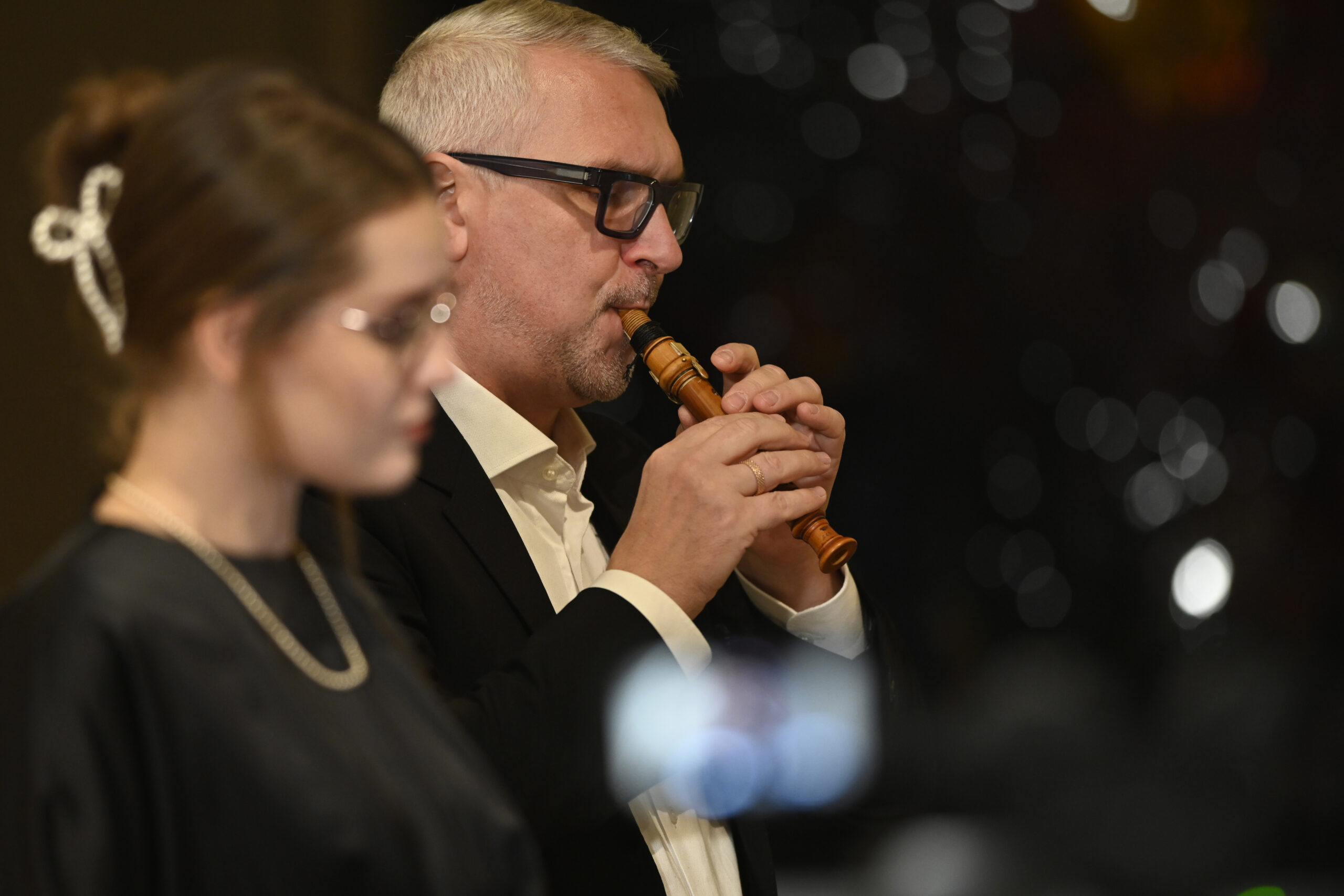
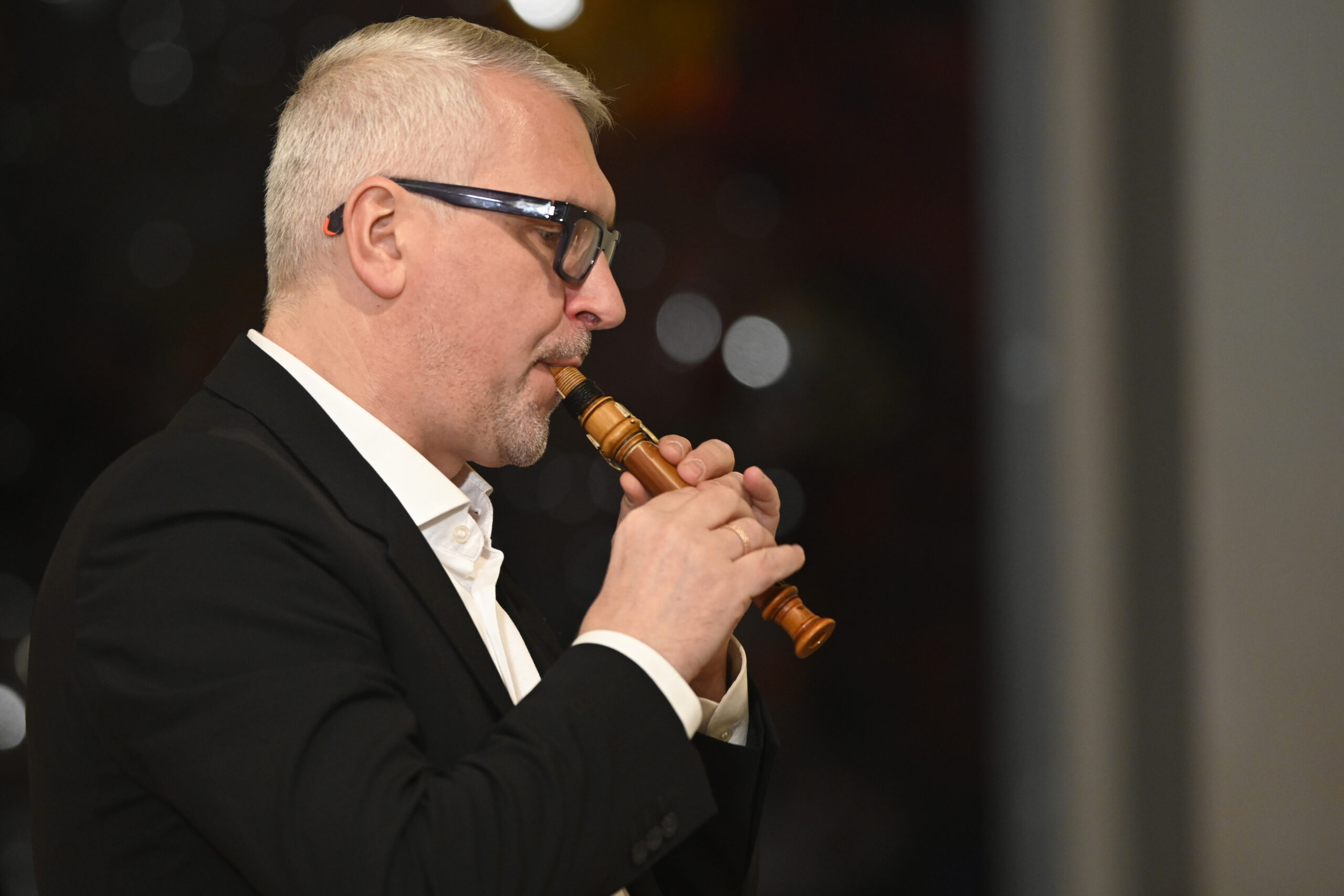
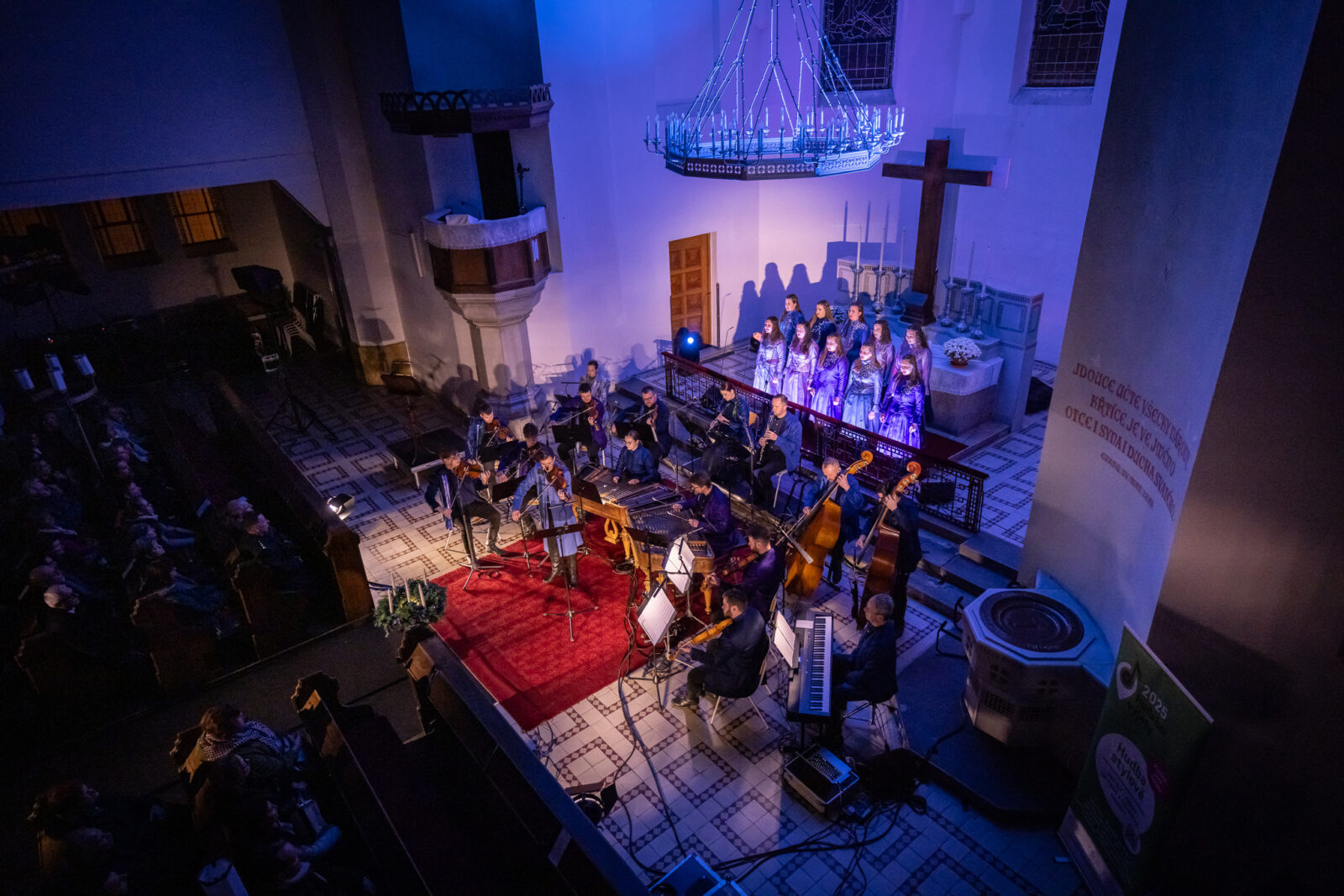
The concert “Soul of the Baroque” at Church of St. Valentine will offer an encounter with music in a space whose intimate atmosphere and spiritual character naturally encourage attentive listening. Exceptional artists from the Moravian-Silesian region will perform here: soprano Karolína Levková, clarinetist Igor Františák, and pianist Marek Kozák, creating an unusual and richly coloured dialogue between the human voice, the historical wind instrument chalumeau, and keyboard accompaniment. The programme connects the great names of European Baroque music — Bach, Handel, and Zelenka — with the Czech spiritual tradition of Adam Václav Michna, as well as with less frequently performed composers. The arias and sacred works presented here are not merely stylistic examples, but vivid narratives about faith, hope, and human fragility. In the calm acoustics of the church in Příbor, the delicate sound poetry of this unusual ensemble will fully emerge: lyrical expressiveness, meditative serenity, and dramatic intensity will merge into music that speaks both to the heart and the mind. The concert will present Baroque music in its most intimate form — as a deeply personal statement that finds its natural home in silence and sacred space.
Photogallery
+11 photo galleries



You may be interested
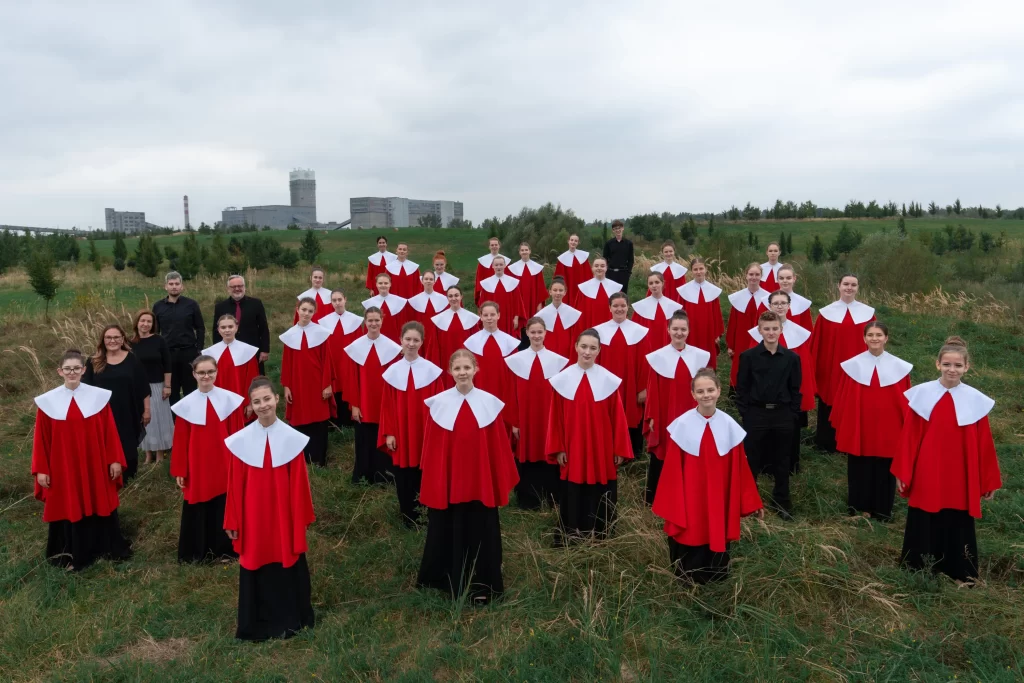
Church of the Nativity of the Virgin Mary 5:00 pm
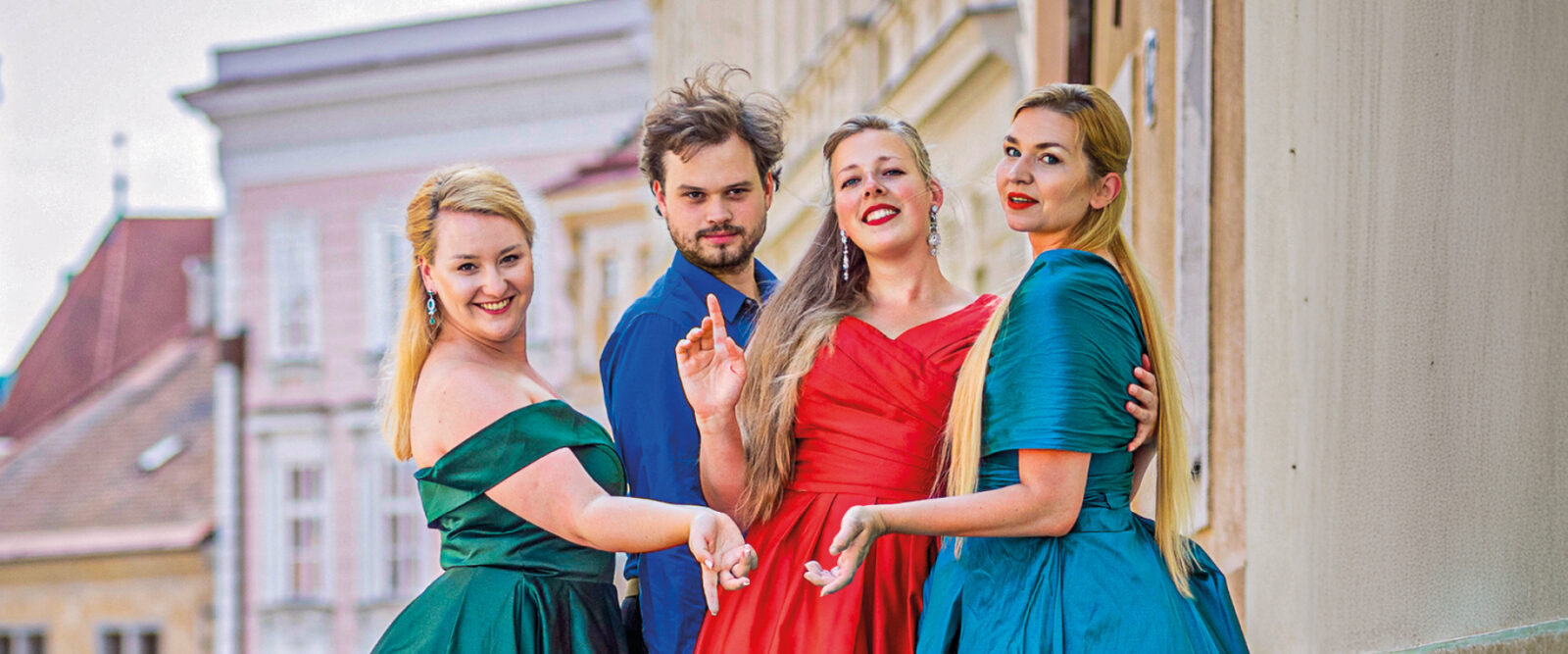
The Evangelical Church 7:00 pm

Church of St. George 5:00 pm
The Evangelical Church 7:00 pm


Tatra Truck Museum 6:00 pm
The Evangelical Church 7:00 pm
The National House 7:00 pm

John Hus Church 6:00 pm
Oratory of the Brethren Church 6:00 pm
St. Wenceslas Church 6:00 pm
Partners of project