ALEXANDRA POLARCZYK: MEDIEVAL CHORALS OF HILDEGARDE OF BINGEN
Date
Friday 24. 10. 2025 from 6:00 pmTicket price
ALEXANDRA POLARCZYK: MEDIEVAL CHORALS OF HILDEGARDE OF BINGEN
Programme
St. Hildegard of Bingen (1098–1179):
O Pastor Animarum – O Shepherd of Souls
O Rubor Sanguinis – O Redness of Blood
O Frondens Virga – O Blossoming Twig
Spiritus Sanctus Vivificans – The Life-Giving Holy Spirit
O Ignee Spiritus – O Fiery Spirit
Caritas Abundat – All-Embracing Love
O Virtus Sapientiae – O Virtue of Wisdom
O Vis Aeternitatis – O Power of Eternity
Ave Maria
About Hildegard:
St. Hildegard of Bingen (1098–1179) was a German Benedictine abbess, mystic, writer, musician and natural healer. She had visions from childhood, which she later recorded and illustrated in her writings. She was very influential in her time – she traveled, corresponded with the Pope, led a monastery, wrote theological treatises, composed sacred music and also devoted herself to medicine and medicinal plants. In 2012, she was declared a holy Doctor of the Church by Pope Benedict XVI – an honor only very few women have received.
Hildegard was unique and (not only) in music she did not adhere to the strict rules of Gregorian chant, she composed music as she heard it coming from God. Her melodies were much bolder for that time, and all the more beautiful. The texts of her spiritual songs are lyrical images full of natural symbolism celebrating God and God’s love. Hildegard perceived God not only behind the walls of the monastery, but everywhere and in all living things. She coined the word viriditas, which means: divine energy giving plants vitality, strength and the ability to turn green.
Photogallery
+3 photo


You may be interested
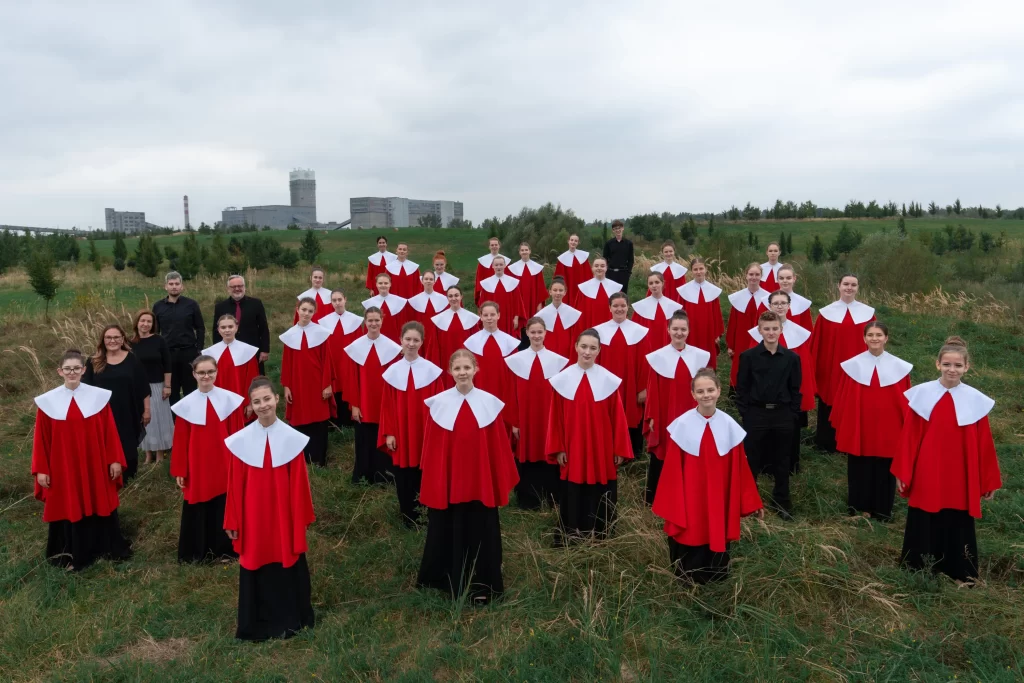
Church of the Nativity of the Virgin Mary 5:00 pm

The Church of St. Valentine 6:00 pm
Church of St. George 5:00 pm

Frýdek Castle
Knight’s Hall 7:00 pm

Tatra Truck Museum 6:00 pm

Vila Grossmann 7:00 pm
Grand Hall of castle Kunín 6:00 pm

Frýdek Castle
Knight’s Hall 7:00 pm
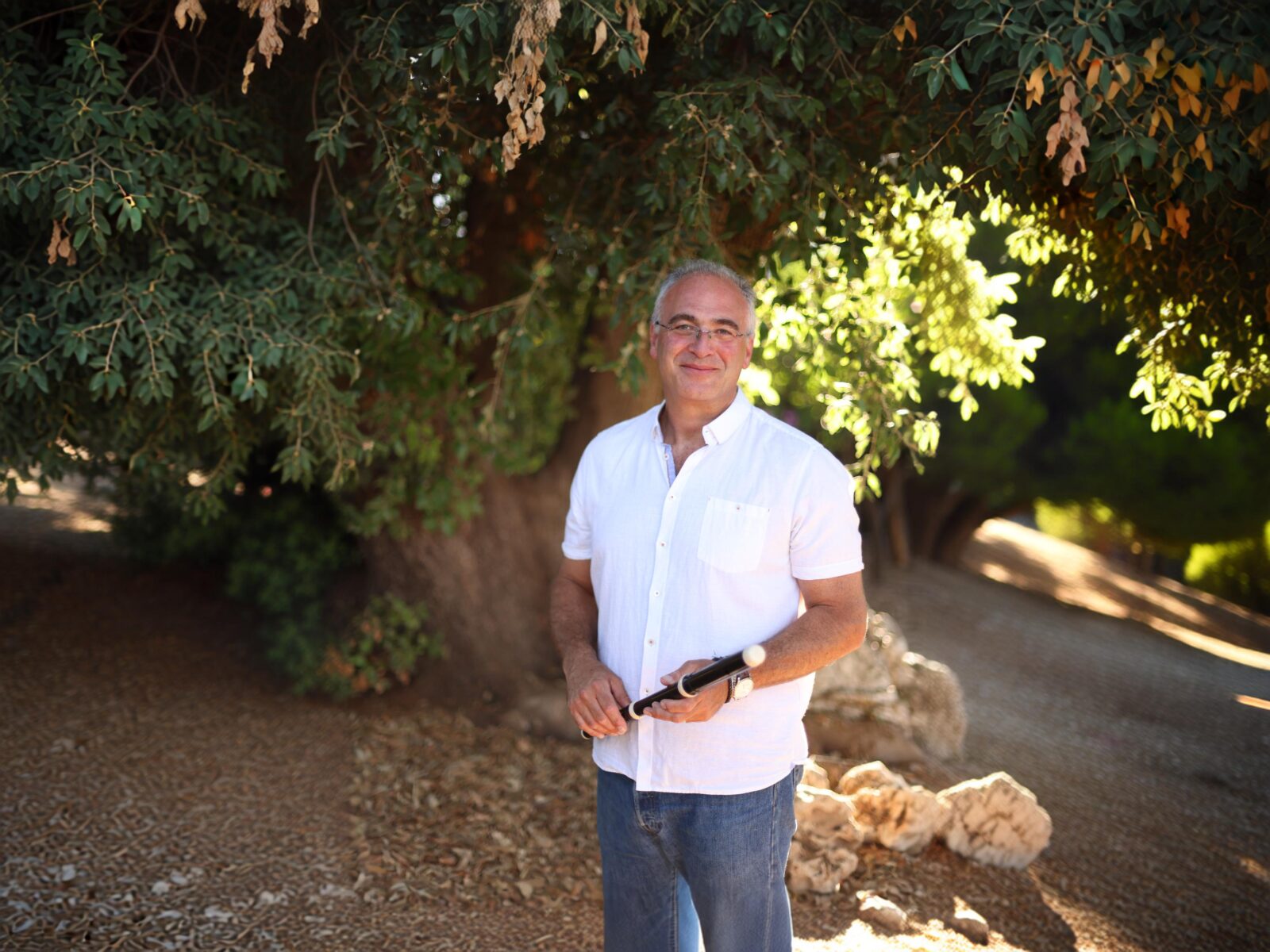
Silesian Ostrava Town Hall 6:00 pm

John Hus Church 6:00 pm
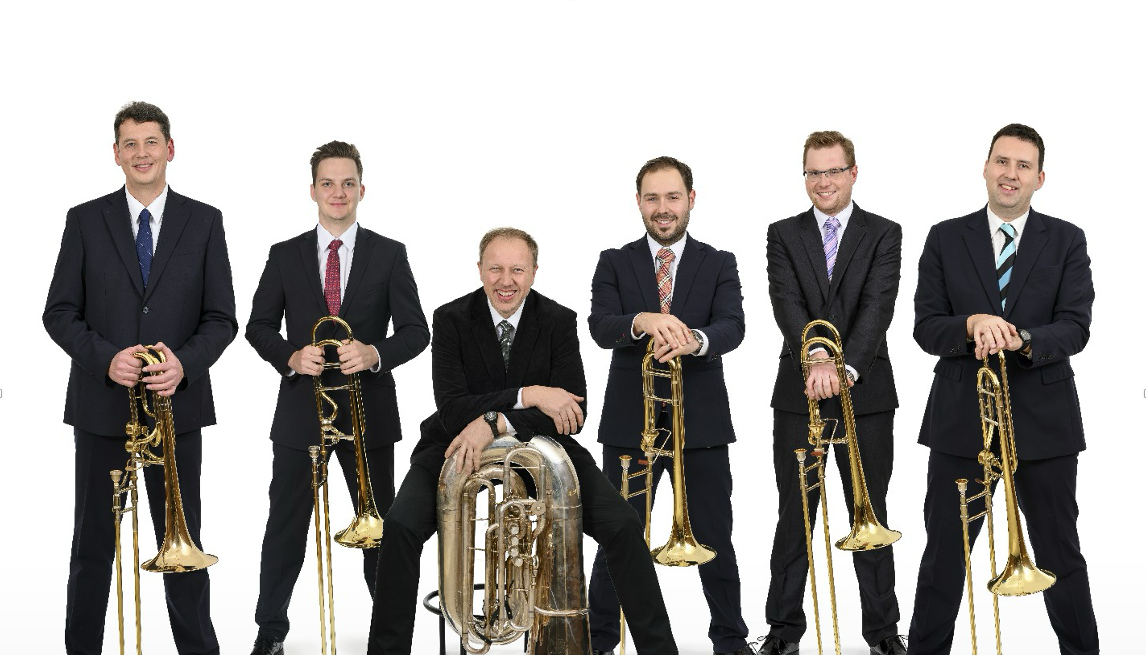
Oratory of the Brethren Church 6:00 pm
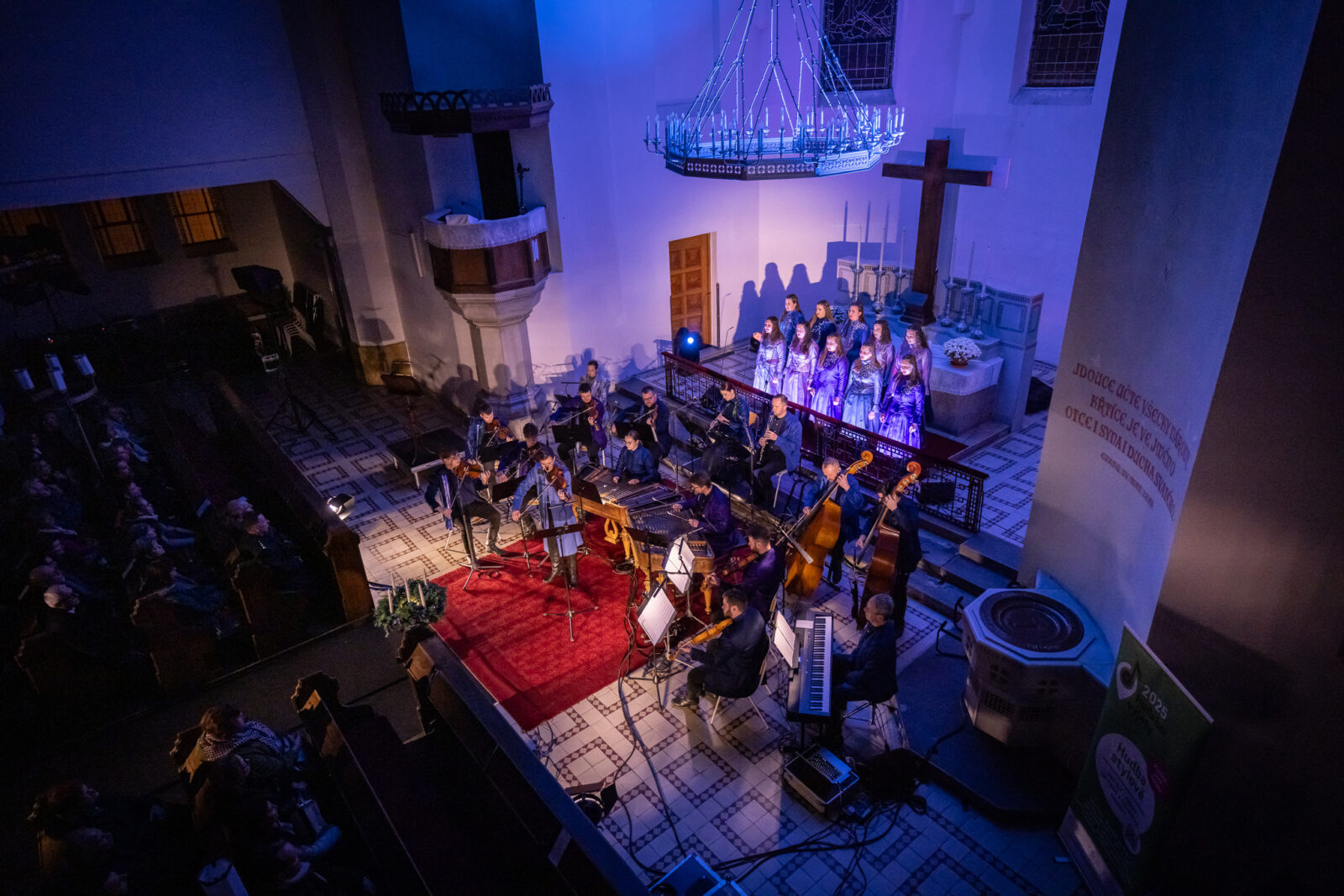
St. Wenceslas Church 6:00 pm
Partners of project